
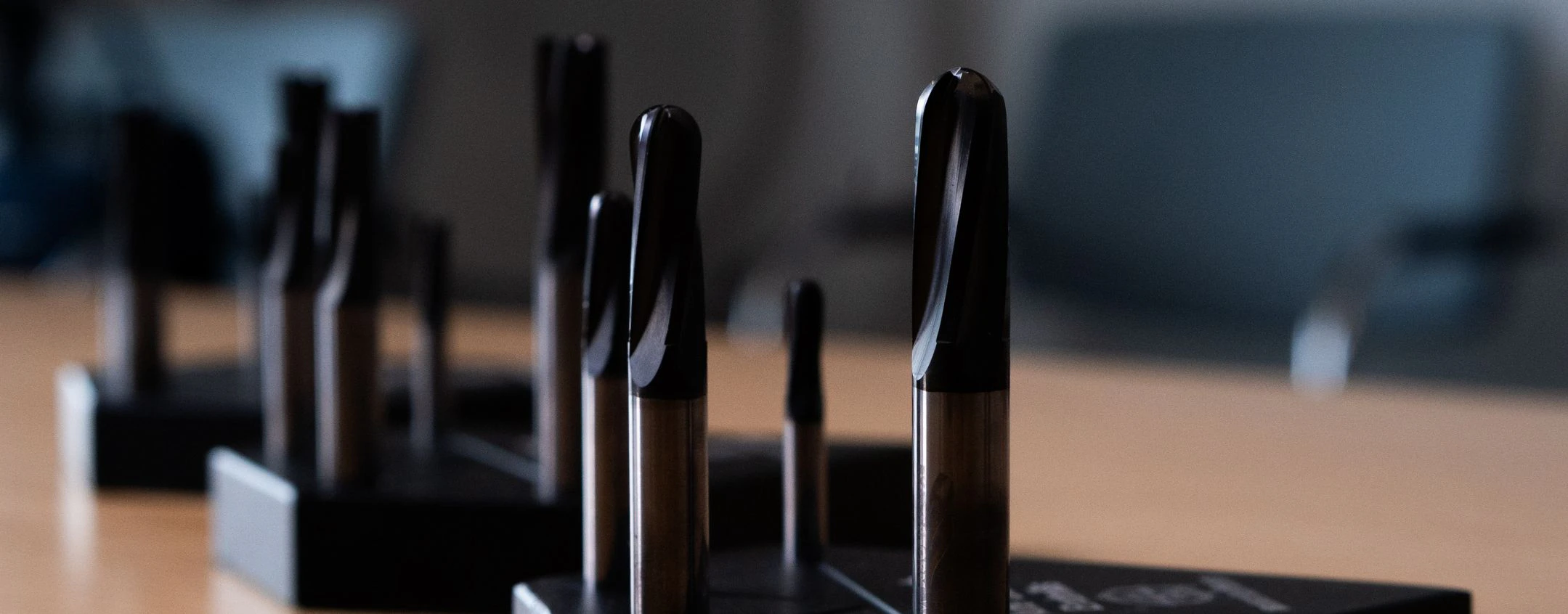
Diamond coated drills are carbide tools finished with a CVD diamond coating, used to drill abrasive, non-ferrous alloys such as CFRP, graphite and aluminium-silicon alloys, where standard carbide wears too quickly to hold hole quality and tool life.
In these tough materials a diamond-coated edge stays sharp far longer, keeping hole finish, dimensional accuracy and repeatability under control across the run, rather than drifting as the tool wears.
Diamond coated drills at a glance
The right drill depends on the job: double margin guidance, flute count, router or ball nose geometry all change with the material, operation, tolerance and finish you need. Exactaform helps match the drill to the material, hole requirement and production environment, so you can choose the right Aero-CARB option with confidence.
Different drill styles exist because different applications need different behaviour. The right option depends on the material, operation, tolerance, finish requirement and how the tool needs to behave in the process. This is not an off-the-shelf drill set, each Aero-CARB tool is matched to the material and operation.
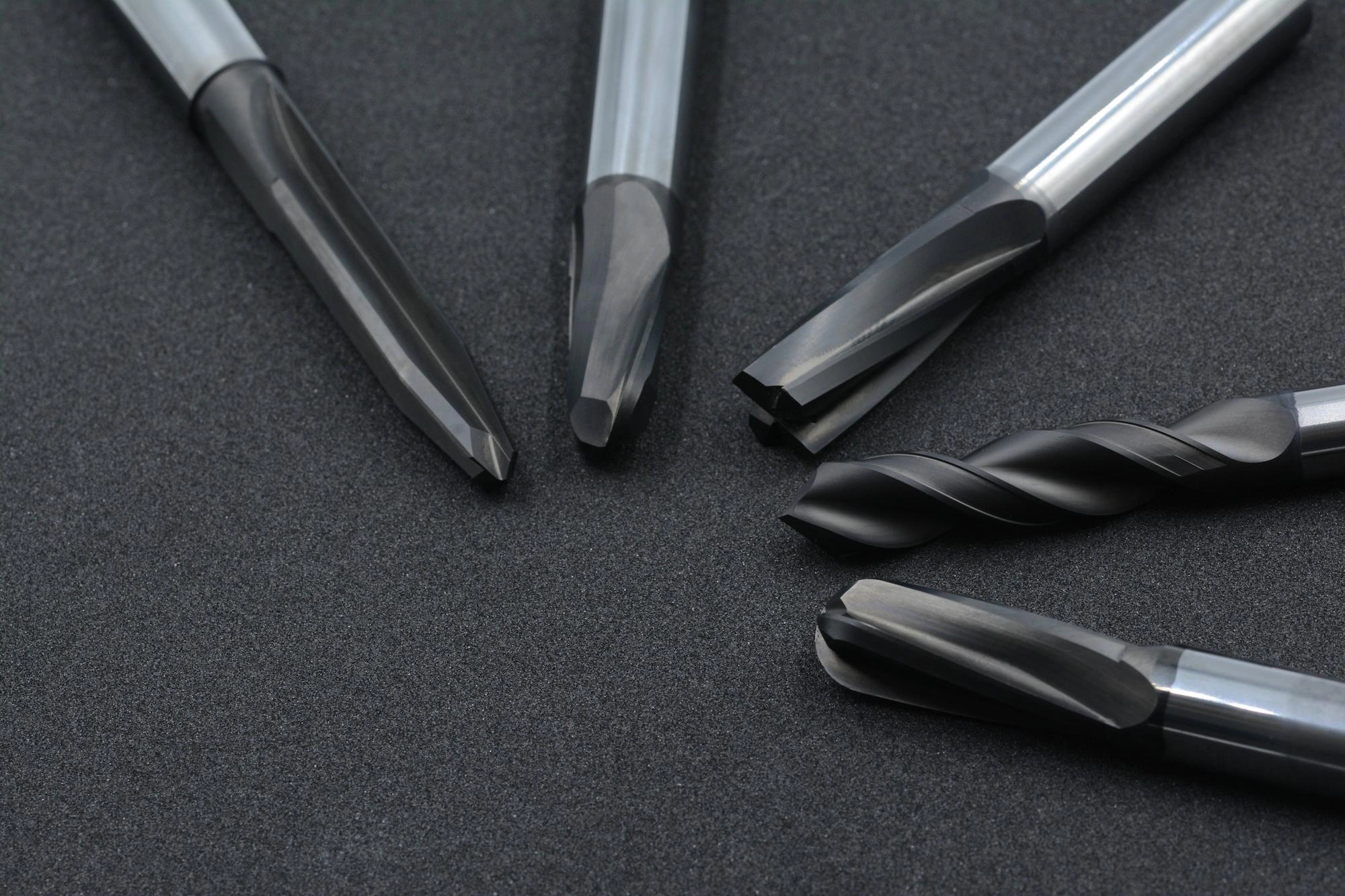
A diamond coating is applied by growing diamond particles directly onto the carbide edge through a CVD (chemical vapour deposition) process, forming a layer around 8 microns thick. Because the surface is diamond, it resists the abrasive wear that quickly rounds an uncoated carbide edge, which is why the same precision bits hold size and finish for far longer in abrasive, non-ferrous alloys.
Both use diamond, but they suit different production volumes, and choosing the right tooling route saves cost.
A diamond coated drill is a solid carbide drill with a thin CVD diamond coating grown onto the cutting edge. It is cost-effective, available in standard sizes, and ideal for low to mid volume work and trial or repeat orders.
PCD tooling uses a solid polycrystalline diamond tip brazed to the tool. It suits very high volume production and can be re-lapped and re-tipped over its life.
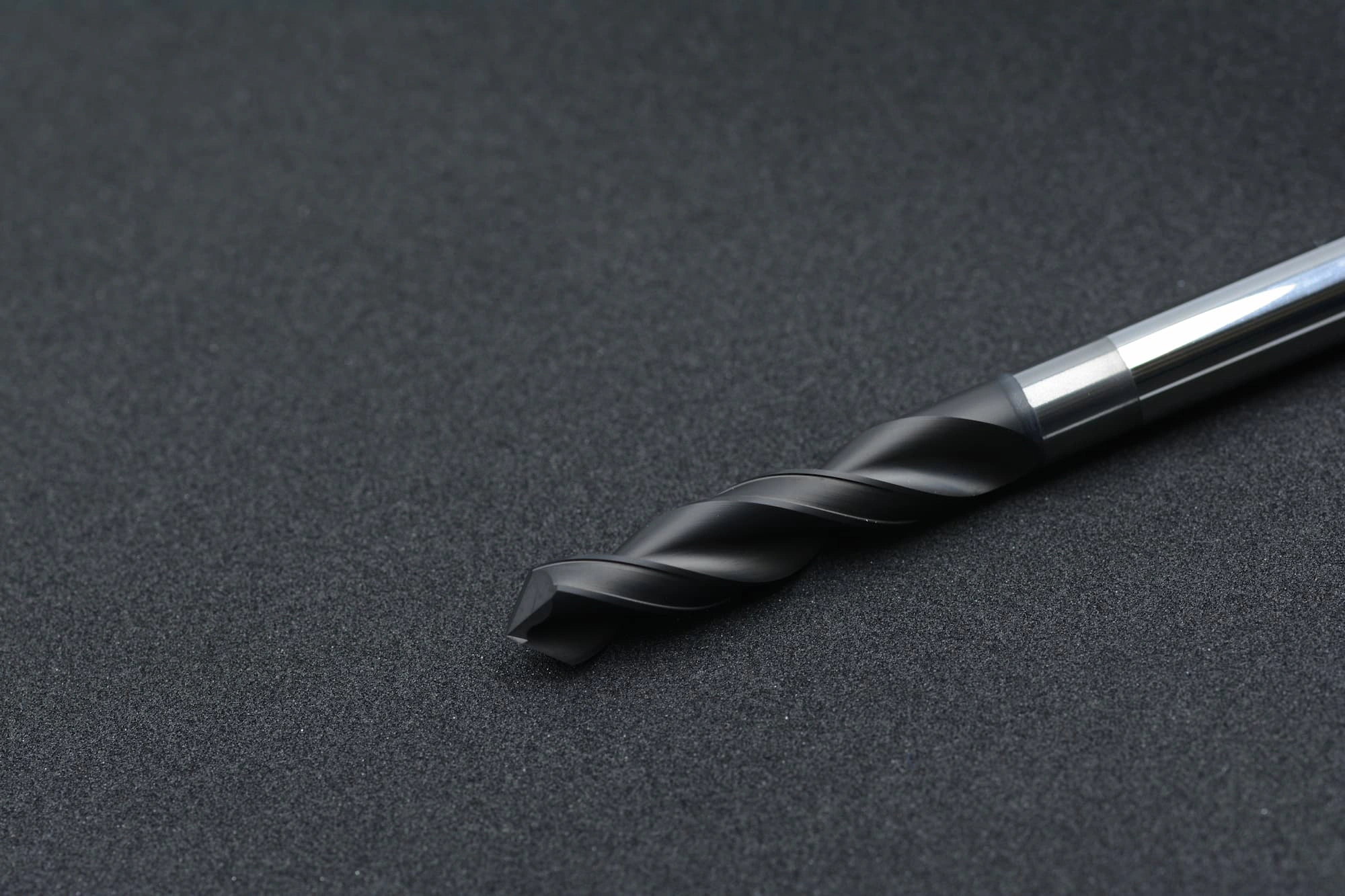
New to the Aero-CARB Range, the 2 Flute Double Margin Diamond Coated Drill is built for abrasive drilling applications where standard carbide is not lasting long enough and process stability matters.
With new size options and diamond-coated wear resistance, it supports cleaner, more consistent holes in suitable aluminium-silicon alloys, CFRP and graphite applications. The double margin design provides added guidance through the hole, helping manufacturers improve drilling confidence in demanding materials.
Diamond coated drills are the right choice when you are:
The value is not just the coating. It is the combination of geometry, coating, material fit and technical support, which together deliver:
Diamond coated drills are designed for non-ferrous, abrasive materials. They are not suitable for steel (including high-grade steel), titanium or other ferrous materials, where the diamond reacts with the workpiece at the cutting edge and breaks down rapidly. For those materials a different carbide or coated-carbide solution is the right approach, and our team can point you to it.
Alongside the standard range, Exactaform manufactures diamond coated drills to custom sizes, geometries and margin configurations to suit your material, hole requirement and manufacturing process, all made under strict quality control.