

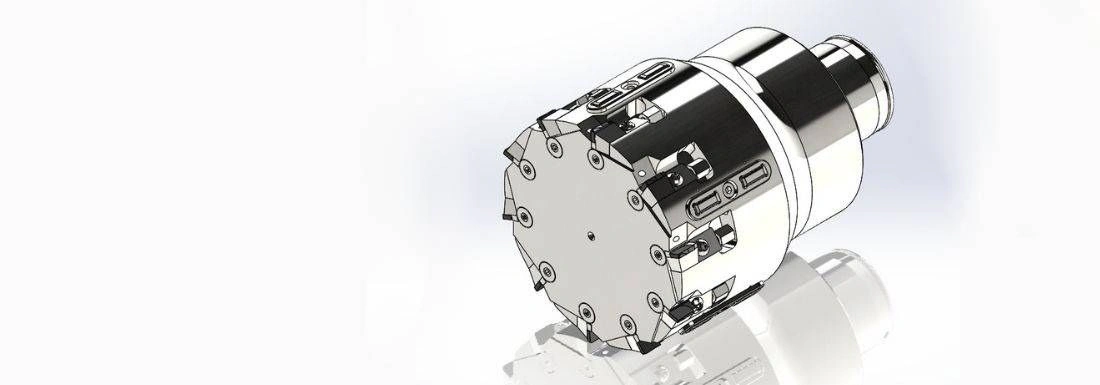
An adjustable reamer is a versatile tool used to finish and size existing holes with exceptional accuracy. Unlike fixed reamers, which are ground to a single size, adjustable reamers allow for small changes in diameter through a mechanical adjustment. This makes them ideal when working with holes that fall between standard sizes or when tolerances need to be dialled in with precision. Adjustable hand reamers are especially useful for applications requiring fine hole sizing on a one-off or non-standard basis.
They are commonly used in tool rooms, maintenance applications, electric motor assembly, and small production runs where flexibility, accuracy, and surface finish are essential. Many models are manufactured from High-Speed Steel (HSS reamer) for enhanced durability and cutting efficiency in a wide range of materials.
How Does an Adjustable Reamer Work?
The working principle behind an adjustable reamer is both simple and effective. Here's a breakdown of how the tool functions:
Tapered Slots
The blades of an adjustable reamer are seated in grooves that taper inward. These tapered slots are what allow the blades to shift smoothly during adjustment. This feature supports consistent cutting edges and accurate blade adjustment during setup.
Adjusting Nuts
A nut and screw mechanism at either end of the reamer controls the position of the blades. By loosening one end and tightening the other, the blades move forward or backward in the tapered slots, offering the user full control over the technical specification of the tool's final diameter.
Expansion and Contraction
As the blades move, the overall diameter of the reamer changes. The range of adjustment is typically limited to about 1/16 to 1/8 of an inch, offering fine control without compromising tool stability. This is particularly beneficial in line reaming tasks that require precise matching across multiple parts.
Parallel Blade Alignment
Despite the movement, the blades remain parallel during expansion or contraction. This ensures uniform cutting geometry and helps maintain concentricity and roundness within the hole, particularly when working in finish reamers applications.
Key Features of Adjustable Reamers
Flexibility
The main advantage of adjustable reamers is their ability to accommodate in-between sizes. Rather than waiting for a custom fixed reamer, machinists can use a single tool and fine-tune it for the exact dimension needed. This versatility is outlined in the features & benefits section of most tooling catalogues.
Precision Finishing
These tools are made for finishing, not roughing. They remove minimal material to create a high-quality, smooth surface, eliminating burrs or imperfections from pre-drilled or bored holes. Many feature spiral flute design for improved chip clearance and surface quality in deep or blind holes.
Delicate Construction
Because the cutting blades are movable and sometimes thinner than those on solid reamers, adjustable reamers can be more fragile. Careful handling is recommended, especially when used in hard materials like chamber reamers for aerospace or firearm applications.
Small Adjustment Range
Each tool only covers a limited diameter range. While flexible, they are not intended to replace a full set of reamers. Instead, they are most valuable when small, accurate changes are needed, such as micro-adjustments after a drill bit has been used for initial material removal.
When Should You Use an Adjustable Reamer?
Adjustable reamers are an excellent choice in a variety of industrial settings, particularly when hole precision is essential and standard sizes don't align with the job at hand.
Use an adjustable reamer:
- For repair work where the original hole may have wear or inconsistencies
- During electric motor assembly, to ensure shaft-to-bearing alignment
- In maintenance or prototyping, when fixed reamers aren't practical
- When working with custom or non-standard hole diameters
- On pre-drilled or bored holes, where only a small amount of material needs removing
- For finishing passes following HSS reamer or drill bit use
- Where a Titanium Nitride (TiN) coated option is required for better wear resistance
Reaming Solutions from Exactaform
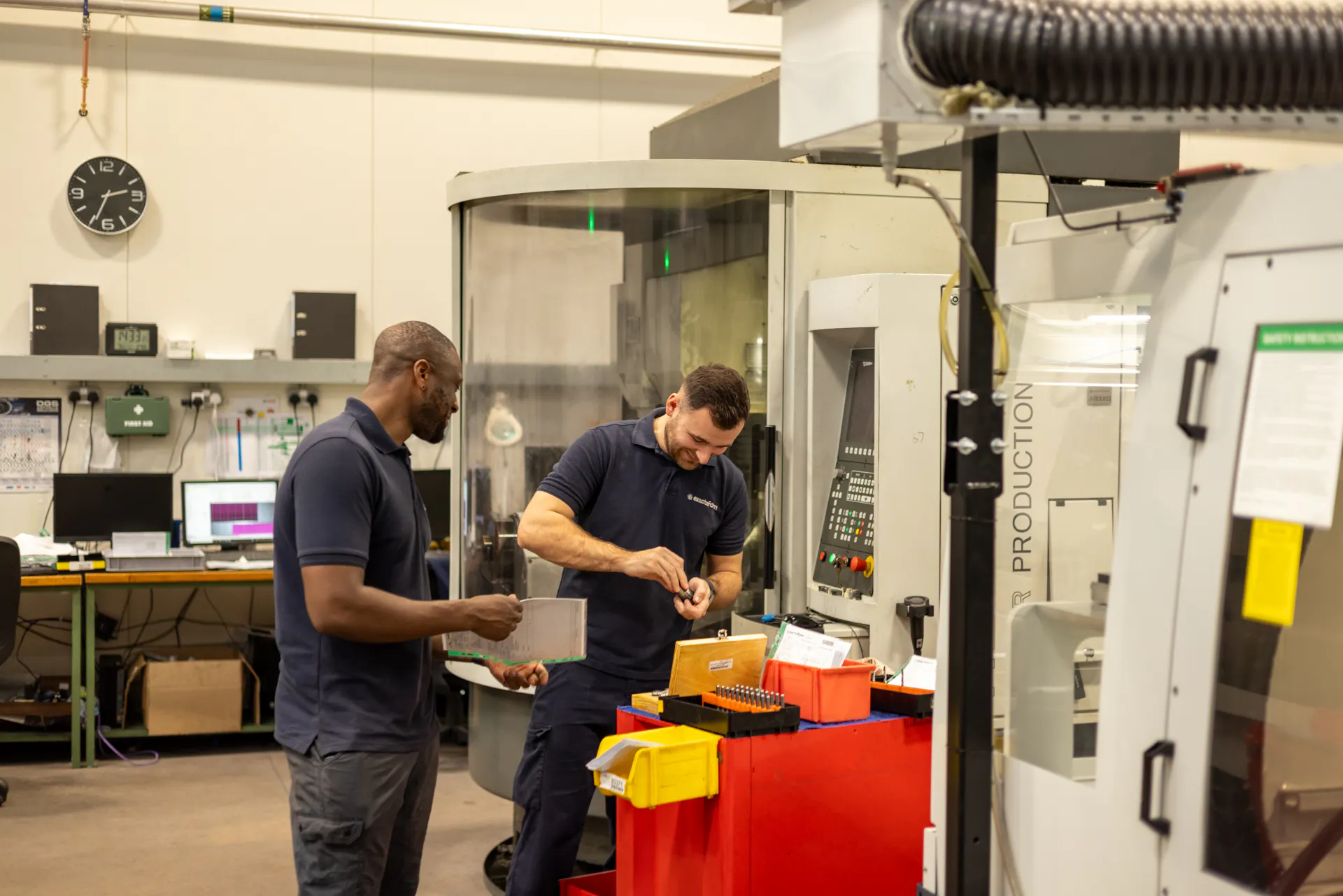
At Exactaform, we support engineers and manufacturers with a wide range of reaming tools and finishing solutions. Whether you're working in stainless steel, aluminium, composites, or harder alloys, we provide both standard and bespoke reaming tools, including:
- Solid carbide and PCD reamers
- Adjustable hand reamers for flexible applications
- Reamer design services for complex geometries
- Finish reamers for high-precision hole sizing
- Chamber reamers with advanced cutting edges and flute design
- Options with spiral flute and blade coatings
- Guidance on product information, coolant strategy, and performance upgrades
We can also provide technical advice on cutting speeds, feed rates, and setup parameters to help you maximise surface quality and tool longevity.
Talk to Us About Your Reaming Needs
Need help selecting the right reamer for your operation? Our engineering team can assist with product information, tool selection, custom design, and process integration.
Contact us today to discuss your reaming challenges and learn how we can help improve hole accuracy, surface finish, and tool life across your operations.