

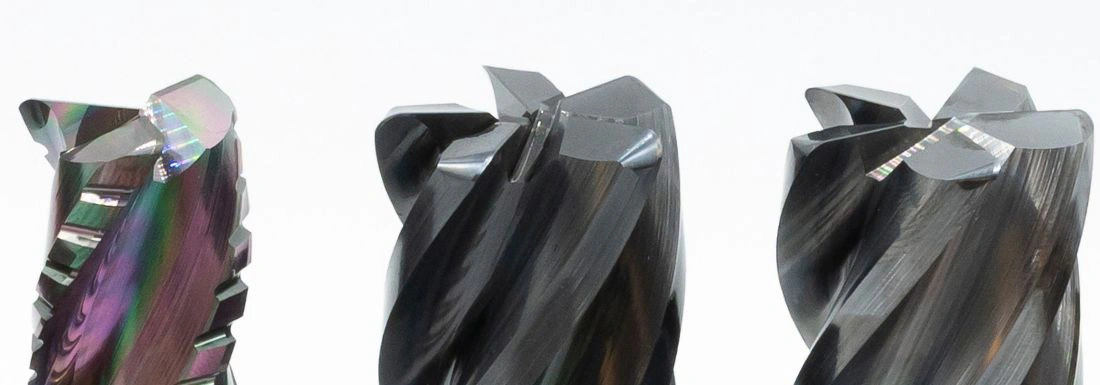
Carbide tooling cost reduction is about controlling the whole process, tool life, wear, material selection, refurbishment and inventory management, not just the price of the tool.
By early 2026, tungsten became an active supply-chain risk for manufacturers using carbide tooling. For Exactaform, and for the customers we support across aerospace, automotive, motorsport and wider manufacturing, the tungsten price has become harder to predict day to day. That affects how carbide tooling is quoted, planned, stocked and repeated, and it puts pressure on cost savings, quality control and the stability of everyday manufacturing processes.
Tungsten Carbide Price Overview: 2025 to 2026
Throughout 2025, the tungsten price climbed sharply, with industry reporting showing increases of more than 1800% across key tungsten raw materials, including ammonium paratungstate (APT). As a result, by early 2026, prices had moved into record territory. These swings feed straight through to the tungsten carbide price manufacturers pay for their tooling.
"The entire industry is facing unprecedented disruption on an increasingly frequent basis, and the highs and lows feel more extreme. This is certainly one of the most significant shifts in the globalisation model, and evidence of how much impact another country can have on our own industry, locally and abroad. Now, more than ever, manufacturing and engineering must use ingenuity and innovation to connect with our customers and deliver value far beyond the product."
Jamie White, Managing Director
Exactaform's Guide to Carbide Tooling Cost Reduction Without Increasing Process Risk
Material prices, availability and lead times are not always within a manufacturer's control, but recycling, reusing, logistics and tool optimisation are. This guide brings together Exactaform's technical knowledge and our experience supporting customers across high-volume manufacturing, and sets out the practical steps we take on carbide tooling cost reduction.
Start With the Application and Material Selection
Start by looking at the material being machined, the operation, tolerance, finish requirement, batch size, current tool life, wear pattern, CNC machine conditions and the cost of any interruption. Good material selection, matched to the right process, shows whether the current tooling is still the right one, or whether the process is already carrying avoidable risk.
In some cases, adjusting cutting data, improving coolant delivery, better chip evacuation, a regrind service, or a more structured approach to repeat ordering and inventory management might be enough. A tooling change is only recommended when it improves the wider process, not simply because another option exists.
Tool Price vs the True Cost Per Part
The price of the tool is often the first thing people focus on, but it is rarely the full cost of the process. When the tungsten carbide price is this volatile, the tool's headline price tells you even less about what it really costs to run. Tool life, change frequency, machine interruption, inspection time, quality control, rework risk, stock availability and delivery confidence all feed into cost-per-part and your overall cost savings.
A cheaper tool that wears quickly can cost more over time, while a more advanced tool may be unnecessary if the application does not demand it. "What does this process cost us to run?" is the main question you need answered.
PCD, Diamond-Coated and Carbide: Choosing the Right Tool Material
Carbide is the practical choice for many machining applications, particularly ferrous materials like cast iron or steel, whether that is solid carbide inserts, end mills or specialist drill tips. The right tool material depends on the application.
For wear-heavy work, PCD or diamond-coated tooling may be worth reviewing. PCD is suited to abrasive non-ferrous materials, composites and high-volume operations, while diamond-coated carbide sits between standard carbide and PCD, offering a practical option where standard carbide wears too quickly but a full PCD solution is not required or commercially justified.
For selected abrasive drilling applications, Exactaform's newly designed Aero-CARB 2 Flute Double Margin Diamond Coated Drill gives manufacturers higher wear resistance, cleaner holes and fewer tool changes.
Extending Tool Life With Regrinds and Refurbishment
Regrinds, retips and refurbishment can help manufacturers extend tool life, reduce replacement spend and ease pressure on new carbide input. But the value depends on having the right process in place.
A good regrind programme should define what the tool needs to achieve when it returns to production. In some cases that means restoring a sharp cutting edge; in others, returning the tool to a defined geometry and tool design, or a full OEM-level standard. Tracking wear patterns and scheduling regrinds before failure, a predictive maintenance approach, protects consistency and supports ongoing quality improvement against your quality assurance standards.
Exactaform supports Level 3 regrind services, helping customers protect tool performance, consistency and process confidence across repeat applications. Typical regrind levels include:
- Level 1: Tool regrind to restore sharpness
- Level 2: Tool regrind to a defined geometry
- Level 3: Full OEM-level regrind and refurbishment
The right level depends on the tool, the application and the performance objective. The aim is not simply to make a tool last longer, but to return it in a condition that supports the wider process.
Supply Continuity and Inventory Planning
For critical repeat tools, agreed reorder points, reserved capacity, urgent turnaround support or min-max stock arrangements support inventory management and protect production continuity. Effective tooling cost reduction comes from a leaner, more controlled tooling plan, in the spirit of lean manufacturing, and standardising around modular tooling where it fits, giving you more control over cost, availability, repeatability and process confidence. It is often the biggest time investment you can make.