
Milling in machining is a precision manufacturing process that uses a rotary cutting tool to remove material from a workpiece to produce specific shapes, features, and surface finishes. It is one of the most widely used machining processes in modern manufacturing, enabling the production of high-precision components across industries such as aerospace, automotive, and precision engineering.
The milling cutting process involves controlled cutting action using specialised milling tools mounted in CNC machines or conventional machine tools. This allows manufacturers to achieve tight tolerances, complex geometries, and consistent machining quality.
Milling is a subtractive machining process where a rotating milling tool removes material from a workpiece through a controlled cutting action. The rotary cutting tool rotates at high rotational speed while the workpiece moves relative to the tool, allowing material removal in a controlled manner.
This cutting process allows manufacturers to create:
The milling machining process relies on the interaction between the cutting tool and the workpiece. The rotary cutting tool rotates while the workpiece is fed into the tool, allowing material to be removed progressively.
Key milling parameters include:

Rotational speed refers to how fast the milling tool rotates. Higher rotational speed improves cutting efficiency but must be optimised to prevent excessive tool wear.
Cutting depth determines how much material is removed during each pass. Greater cutting depth increases material removal but also increases cutting forces.
Cutting width refers to the width of material engaged by the cutting tool during machining. This affects cutting efficiency and machining stability.
The cutting action occurs when the rotating tool contacts the workpiece and removes material through shear deformation. Optimising these parameters improves machining performance and tool life.
Modern milling operations are typically performed using CNC machine systems, which provide precise control over the machining process.
CNC machines allow manufacturers to control:
This ensures consistent machining accuracy and repeatable production. CNC machine tools are essential for modern industrial machining applications.
Several types of machine tools are used for milling operations.
Vertical milling machines have a vertically oriented spindle and are commonly used for precision machining and general manufacturing.
Horizontal milling machines provide improved stability and chip removal for heavy-duty milling applications.
CNC machines provide automated machining, improving precision, productivity, and machining consistency.
5-axis CNC machine systems allow complex machining operations involving multiple cutting angles.
Several types of milling tools are used depending on the machining application.
End mills are versatile cutting tools used for slotting, profiling, and contour machining.
Face mills are used for machining flat surfaces and producing smooth surface finishes.
Diamond coated milling tools provide superior wear resistance when machining abrasive materials.
Carbide milling tools provide excellent performance when machining metals such as steel and titanium. Selecting the correct milling tool improves machining performance and reduces tool wear.
Milling operations vary depending on the application.
Face milling is used to create flat surfaces.
Slot milling produces grooves and slots.
Profile milling produces complex shapes and contours.
End milling is used to machine detailed features. Each operation requires specific milling tools and cutting parameters.
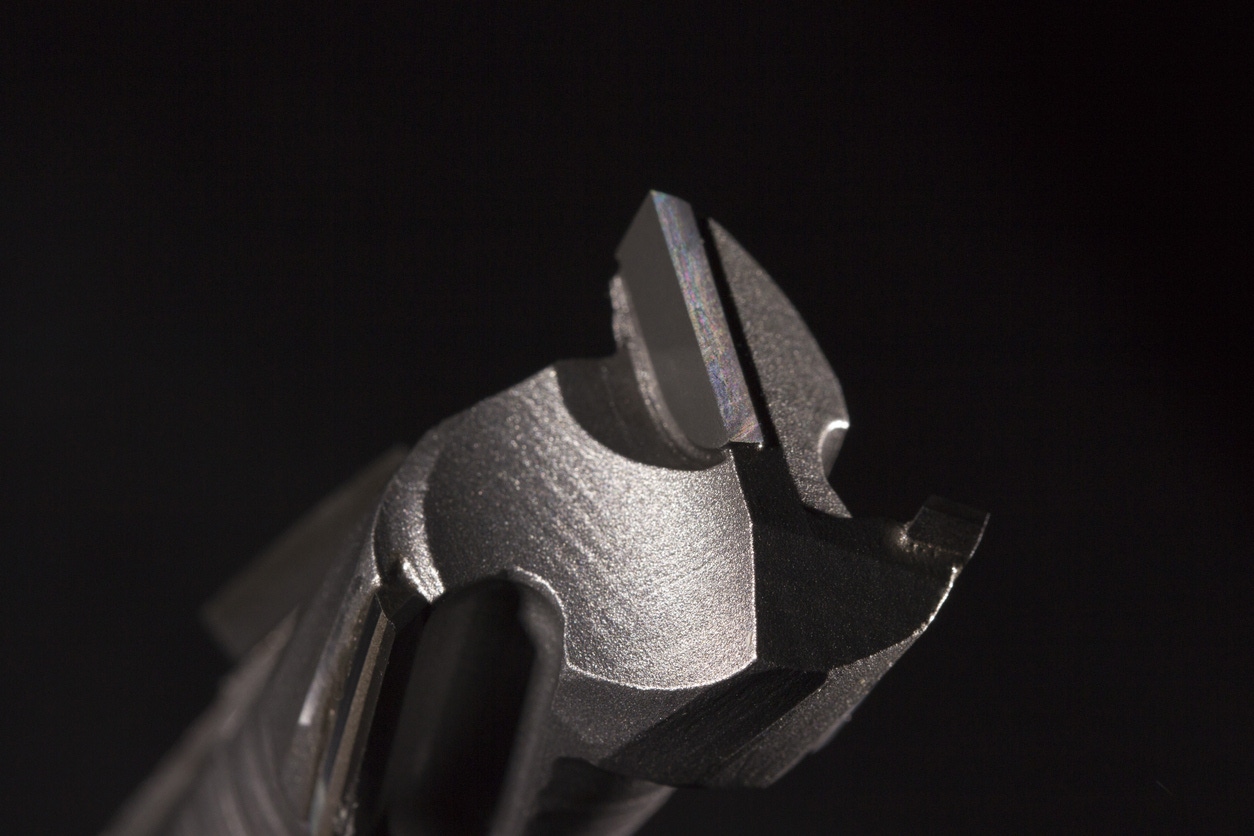
Milling can be used to machine a wide range of materials.
Common materials include:
Different materials require specific cutting tools to ensure optimal machining performance.
Selecting the correct cutting tool is essential for achieving optimal machining results.
Tool selection affects:
Advanced milling tools such as carbide tools, PCD tools, and diamond coated tools provide superior performance in demanding machining applications.
Several factors influence milling efficiency and tool performance.
Optimising cutting depth, cutting width, and rotational speed improves machining efficiency.
Tool materials such as carbide and diamond coating improve wear resistance.
Stable CNC machine tools improve machining accuracy.
Proper milling tool geometry improves cutting performance.

Milling produces highly accurate components.
Milling can produce complex geometries.
CNC machines improve machining efficiency.

Advanced milling tools improve surface quality.
Optimised cutting tools reduce tool wear and improve durability.
Milling is widely used across industrial sectors to produce accurate, high-quality components from metal, plastic, and composite materials.
Milling is used to manufacture lightweight, high-strength aircraft components such as structural brackets, wing parts, engine housings, and landing gear components. Tight tolerances and complex geometries often require advanced multi-axis CNC milling.
In automotive production, milling creates engine blocks, cylinder heads, transmission housings, and suspension parts. It ensures dimensional accuracy, surface finish, and consistency in both prototype and mass production.
Precision engineering relies on milling to produce high-accuracy components such as gears, tool-and-die parts, and custom machine components, often within micron-level tolerances.
Milling is used to manufacture medical implants, dental restorations, and surgical instruments from biocompatible materials like titanium and stainless steel, ensuring precision and reliability.
Milling in machining is a highly versatile and essential cutting process that uses a rotary cutting tool to remove material from a workpiece. By controlling cutting depth, rotational speed, cutting width, and cutting action, manufacturers can produce precise components efficiently.
Modern CNC machine systems and advanced machine tools allow manufacturers to achieve superior machining accuracy, improved tool performance, and reduced tool wear.
Exactaform provides advanced milling tools, diamond coated milling cutters, and precision cutting tools engineered for superior machining performance across demanding industrial applications.
