
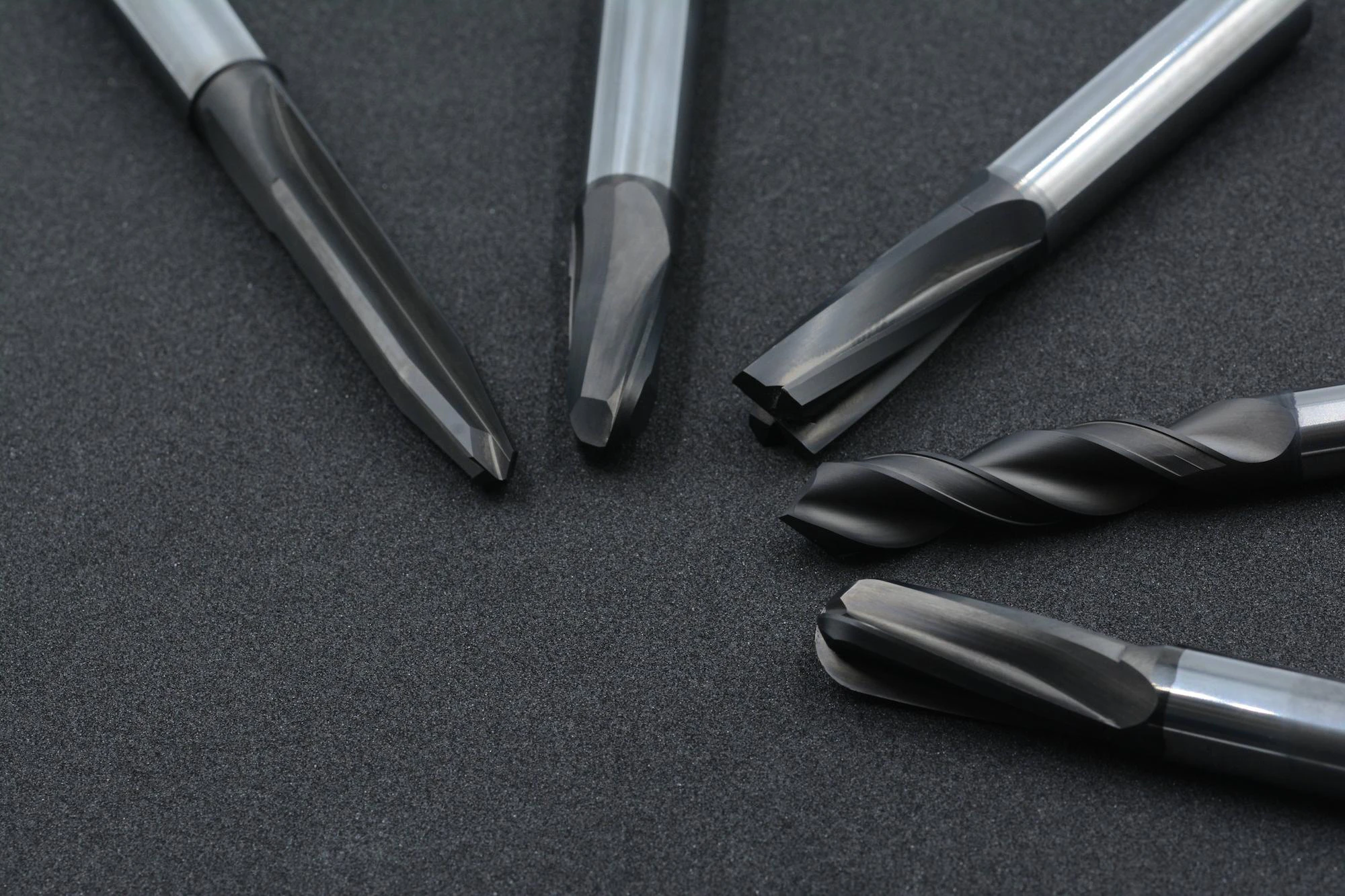
Diamond-coated tooling is worth considering when the material is doing more damage to the cutting edge than the process can comfortably absorb.
That might mean short tool life, frequent tool changes, surface finish issues, or dimensions that begin to move as the tool wears. In these cases, the question is not simply “which tool is harder?” It is whether the current tooling operation is still giving you the performance and value you need.
The diamond coating is applied to a carbide substrate using Chemical Vapour Deposition, known as CVD. This creates a hard, wear-resistant cutting surface while retaining the strength of the carbide tool body.
Short tool life with standard carbide
Frequent tool changes in abrasive materials
Wear-related drift in dimensions or surface finish
Rising cost per part due to tooling consumption
A need for stronger performance
Abrasive materials reducing consistency across the batch
When abrasive materials wear carbide too quickly, every tool change costs more than the tool.
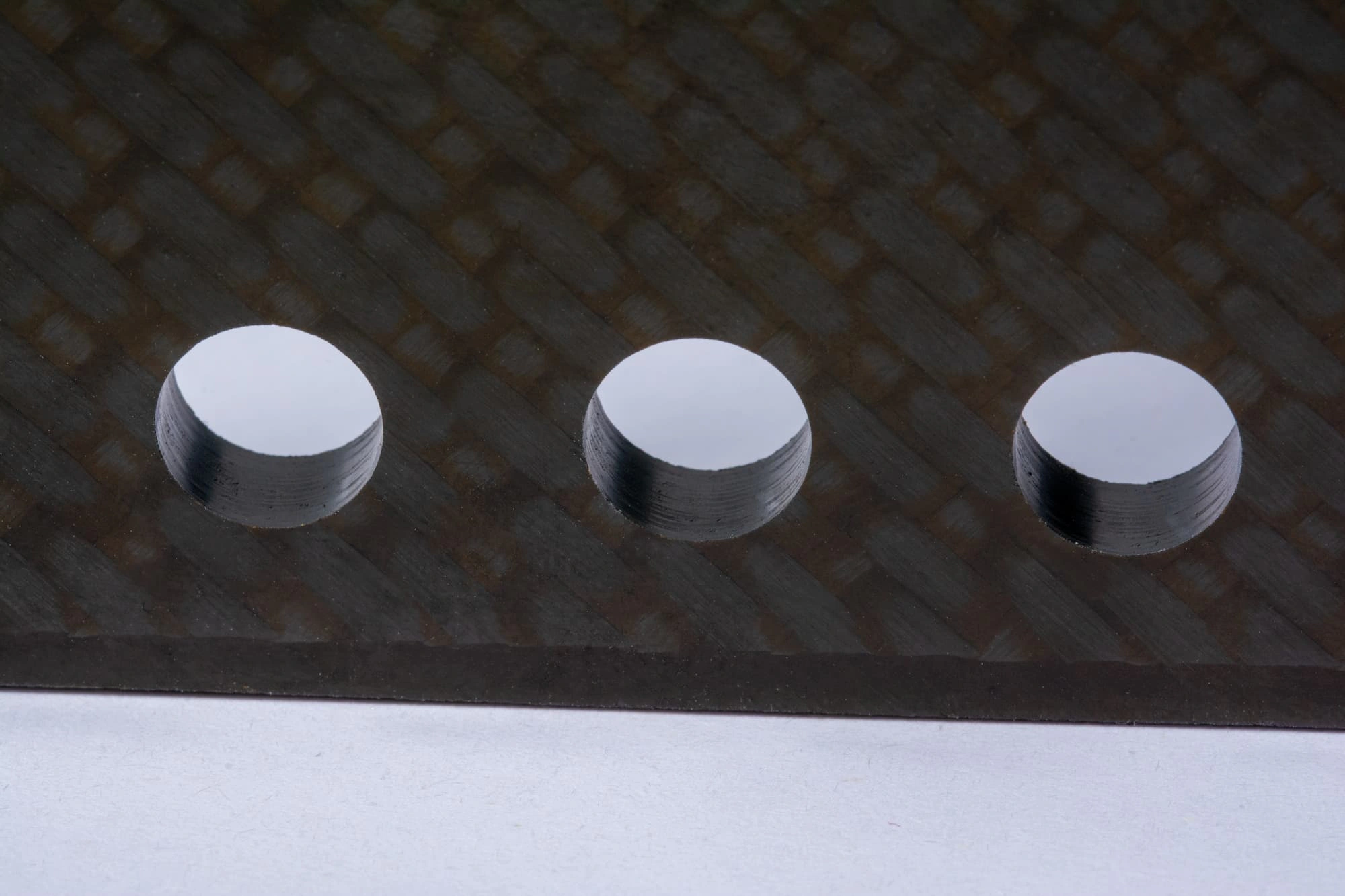
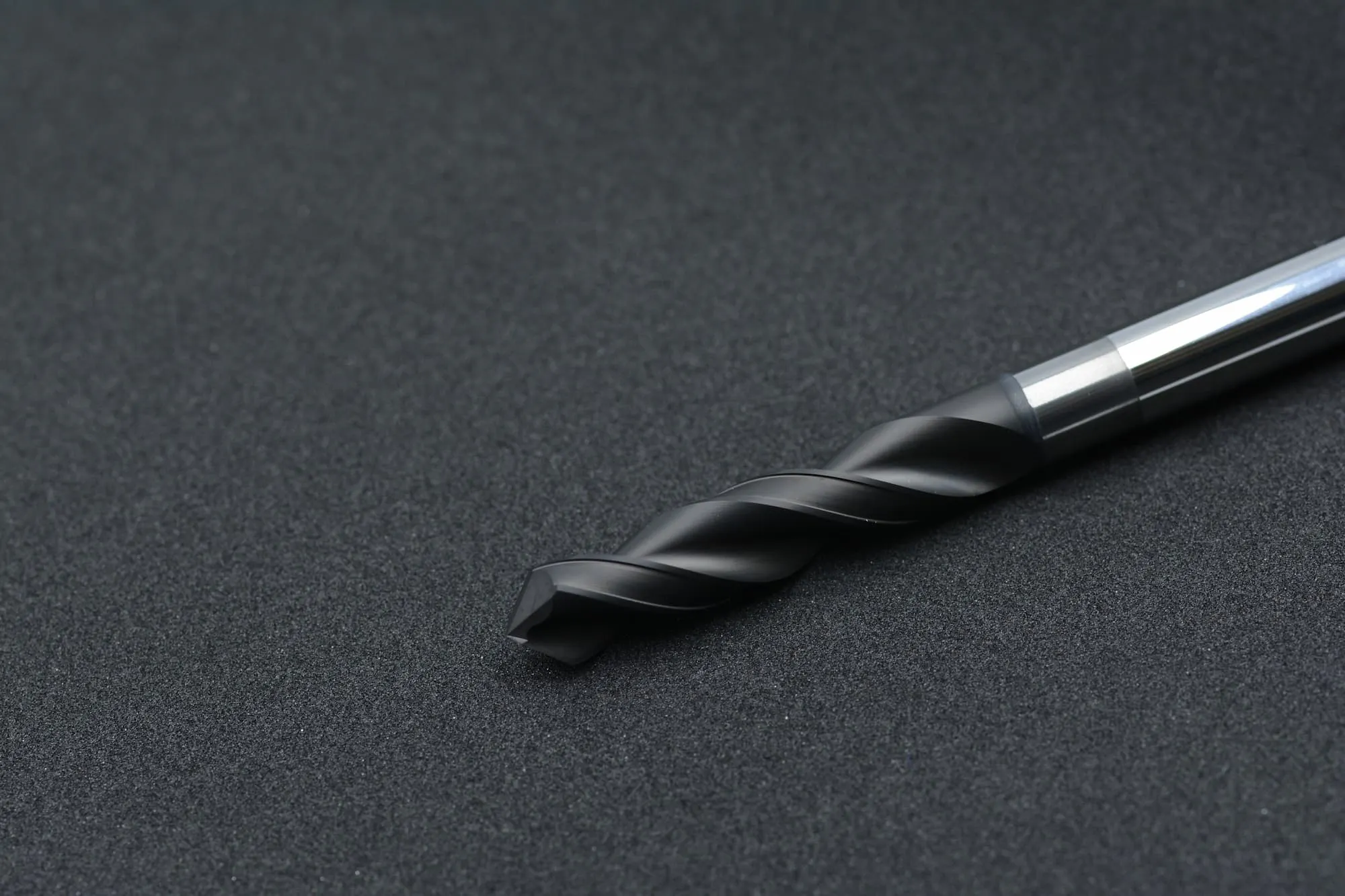
The Aero-CARB 2 Flute Double Margin Diamond Coated Drill is built for abrasive drilling applications where hole quality, guidance and tool life all matter. The double margin design supports cleaner, more consistent holes, while the diamond coating helps the cutting edge last longer in materials such as aluminium silicon alloys, CFRP and graphite.
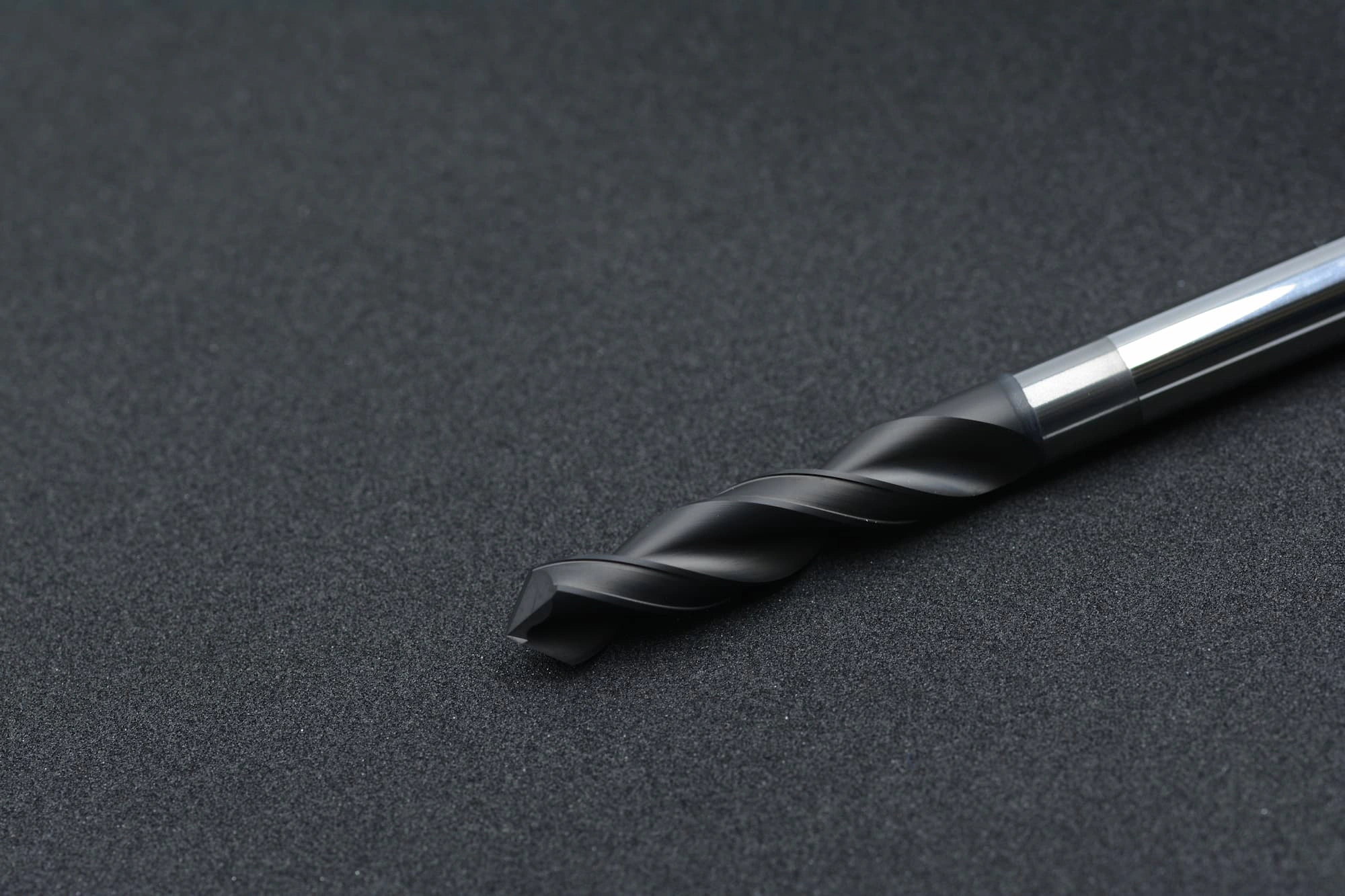
For milling, profiling, slotting and finishing abrasive materials where standard carbide end mills are wearing too quickly.
Diamond-coated end mills can be useful where the job needs stronger edge retention, a more stable finish, or better wear resistance across the batch.
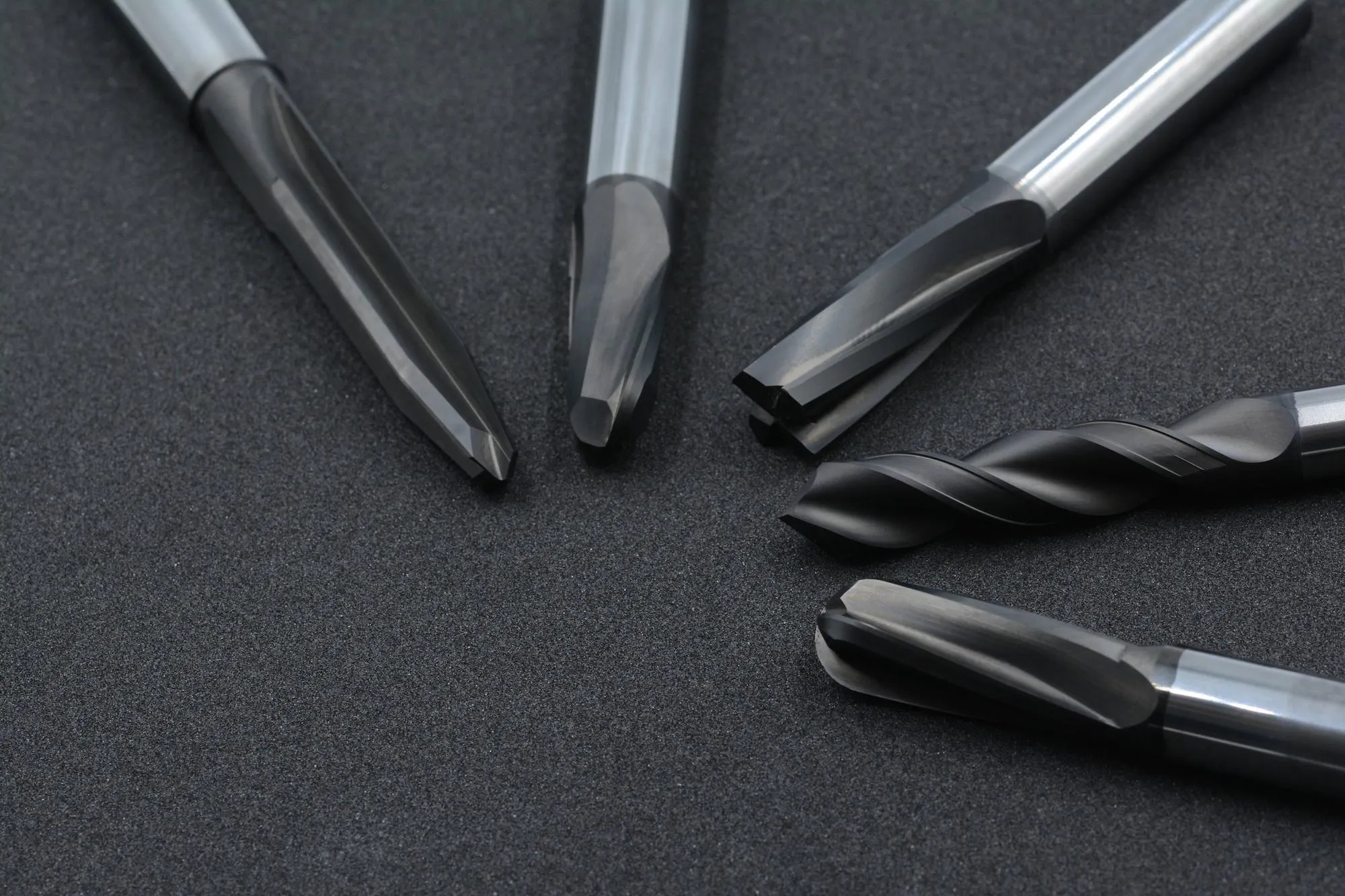
For abrasive drilling applications where hole quality, edge retention and repeatability matter.
These tools are often used when the material is wearing carbide too quickly and the process needs more consistency from hole to hole.

Not every abrasive application fits a standard tool.
If the job has a specific material, geometry, access issue, tolerance requirement or production target, we can review whether a custom diamond-coated tool is the right route.
There is no universal answer. The right tooling route depends on the material, production volume, tolerance, finish requirement and cost-per-part target.
Carbide is versatile, familiar and suitable when tool wear is under control.
Diamond-coated carbide is the next step when abrasive materials start taking the edge off carbide too quickly. It can help extend tool life, support surface quality and improve consistency in the right application.
PCD is usually the strongest choice for high-volume or highly repeatable production, where maximum tool life and lower cost per part can justify the higher initial investment.
Some aluminium applications are more abrasive than others, particularly where composite structures, cast materials or surface finish requirements are involved.
Diamond-coated tooling can be useful where carbide is wearing too quickly and the process needs better consistency, cleaner cutting performance or improved tool life.
CFRP and composite materials can be unforgiving on cutting edges.
In drilling, routing, trimming and finishing operations, tool wear can affect hole quality, edge condition, surface finish and process stability. Diamond-coated tools can help improve wear resistance where conventional carbide is not holding up long enough.
Like the sound of our tooling approach? Need answers to your biggest machining questions?
Our expert team are ready for your enquiry.
A diamond-coated drill and a diamond-coated end mill are solving different problems.
One may be about hole quality and repeatability. Another may be about edge life, finish, stability or wear across a milling operation.
Common applications we specialise in include:
If you are seeing wear, poor finish, delamination, inconsistent hole quality or regular tool changes, we can review whether diamond-coated tooling is the right route.
Aerospace work often brings together abrasive materials, tight requirements and limited room for process instability.
Diamond-coated tooling can support applications involving CFRP, aluminium components, composite airframe parts and similar materials where wear resistance and consistency are important.
For aerospace teams, the tooling decision is rarely just about the cutter. Qualification, repeatability, documentation, stock availability and process confidence all matter. The right tool has to work in the process, not just on paper.
That is why Exactaform can support more specific aerospace conversations around tooling route, application review, qualification requirements and ongoing supply.
In automotive and EV-related machining, diamond-coated tools can be a practical option for abrasive aluminium components, battery housings, composite parts and development work.
They are especially useful where the production volume does not yet justify PCD, but standard carbide is not giving the tool life, finish or consistency needed.
For higher-volume programmes, we can also review whether PCD would give a stronger long-term cost-per-part route. The right answer depends on the production reality: volume, tolerance, part value, tool life and the cost of changeovers.
Not every abrasive machining problem sits neatly inside aerospace or automotive.
Industrial manufacturers also use diamond-coated tools where materials, production volume and tool wear point to something stronger than conventional carbide.
That might be a routing operation, a finishing pass, a graphite application or a machining process where tool changes are starting to cost more than the tool itself.
If the current tooling route is creating repeat issues, we can help review whether diamond-coated, carbide or PCD is the better way forward.
Changing tooling affects more than the purchasing line.
It can affect setup, inspection, machine time, operator confidence and the way a process is qualified. That is why some applications need more than a quick product recommendation.
Exactaform has built its reputation on specialist tooling for demanding applications.
We manufacture, develop and support tooling for customers who need more than a catalogue answer. That might mean a standard diamond-coated tool, a custom geometry, a PCD solution, a carbide route through WIDIA, or a completely different recommendation once the application has been reviewed.
We are large enough to support serious aerospace, automotive and industrial requirements, and small enough to bring proper care, communication and technical attention to the details.
That is what we mean by being your projects partner: looking at the job properly, telling it straight, and helping you get the right tool for the work.
Made different, delivered better.