
Selecting the right tooling for abrasive materials is rarely a simple decision. In applications such as composites, graphite and other difficult-to-machine non-ferrous materials, engineers and machinists often compare diamond-coated tools with PCD tooling to understand which option will offer the best balance of performance, tool life and cost.
That is why the question of diamond coated end mills vs pcd tools is so important. Both tooling types are associated with high-performance machining, but they are not the same. They differ in construction, wear behaviour, cost profile and the kinds of applications where each is likely to offer the best value.
For manufacturers trying to identify the best tooling for abrasive materials, the right answer depends on the material being machined, the geometry required, the expected production volume and the quality target.
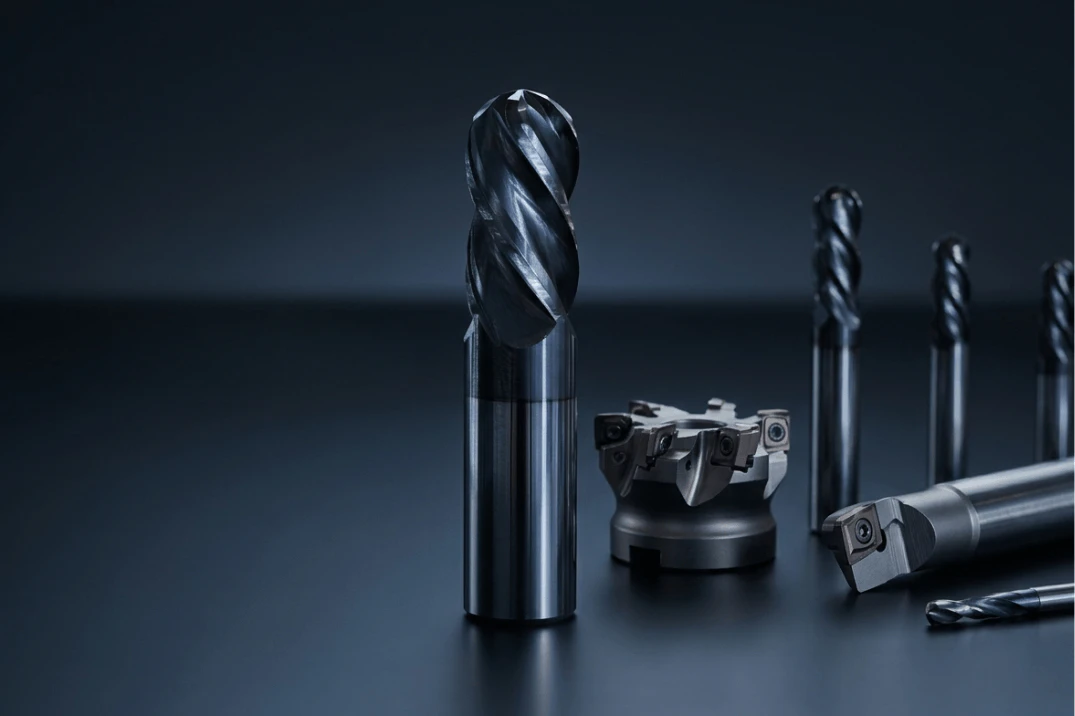
Diamond-coated end mills use a diamond layer applied to the surface of the cutting tool to improve wear resistance. In abrasive materials, those diamond coatings help protect the cutting edge and slow the rate at which tool performance deteriorates.
This makes diamond coated end mills especially useful where fine tool geometries, complex profiles or smaller feature sizes are needed. Because the coating is applied to the tool substrate, the result can combine the flexibility of an engineered end mill geometry with the wear resistance benefits of diamond.
In many specialist machining applications, diamond-coated end mills are chosen because they can offer a practical solution where conventional tools wear too quickly and lose consistency before the job is complete. In catalogues and technical discussions, you may also see the term diamond coated endmill used for the same general tool type.

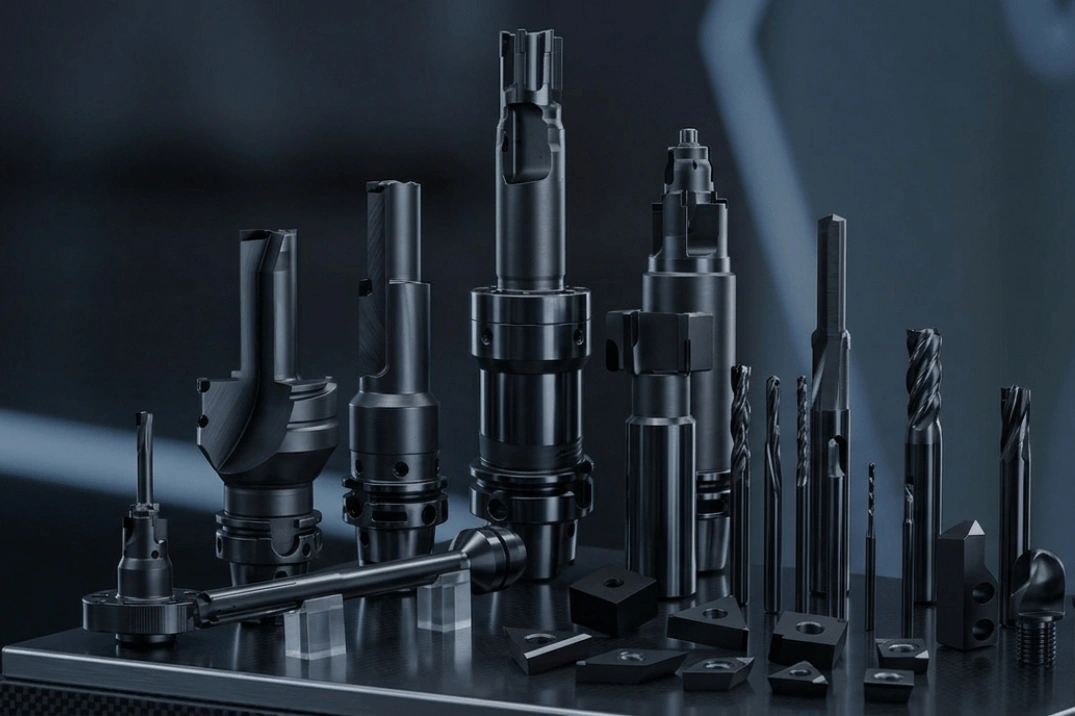
PCD stands for polycrystalline diamond. Unlike a coated tool, a PCD tool uses a diamond-based cutting element as part of the tool structure itself rather than only as a surface layer.
This is one of the most important distinctions in the pcd tools vs coated tools comparison. With coated tooling, the cutting performance relies in part on the coating that protects the substrate and edge. With PCD tooling, the cutting edge is based on the properties of the polycrystalline diamond cutting material.
Because of that structural difference, PCD tooling is often associated with very high wear resistance in suitable applications. At the same time, the geometry, cost and use case can differ significantly from a diamond-coated end mill. In many tooling environments, this includes specialist forms such as PCD Inserts and other PCD Diamond configurations designed for repeat production.
The main difference lies in how the diamond is used in the cutting tool.
In diamond coated end mills, the diamond is present as a coating applied to the tool surface. In PCD tools, the cutting edge incorporates polycrystalline diamond as part of the tool itself. This difference influences tool design flexibility, wear characteristics, cost and the kinds of operations where each tool type performs best.
For many users comparing pcd vs diamond coated end mills, the real question is not which is universally better. It is which option is better suited to the workpiece, geometry and production demand.
When comparing diamond coated end mills vs pcd tools, several performance differences usually matter most.
The first is wear behaviour. Both tooling types are designed for abrasive applications, but they may behave differently depending on the material and machining conditions. The second is geometry flexibility. Diamond-coated end mills can often be produced in geometries that suit smaller or more complex milling tasks. PCD tooling may be preferred in applications where the cutting edge design and wear performance align with longer-run production goals.
The third difference is tool application range. Not every operation demands the same balance of edge design, finish quality and durability. That is why the best choice often depends on the specifics of the machining process rather than on a general preference for one tooling type over the other.
Tool life is one of the biggest reasons this comparison matters. In materials such as composites and graphite, the cutting edge is exposed to significant abrasion, and tool wear has a direct impact on finish, dimensional consistency and process cost.
In many abrasive applications, PCD tools are selected because they can offer very high wear resistance and long life in the right production environment. At the same time, diamond coated end mills can provide a very effective balance of performance and flexibility, especially where the geometry of the part calls for an end mill form that supports the operation more effectively.
For manufacturers asking which tooling lasts longer for abrasive materials, the answer depends on the application. PCD may offer a longer-life solution in some high-volume or highly abrasive environments, while diamond-coated end mills may be better suited where tool form, access or feature definition also need to be considered.
Surface finish is another important factor in the diamond coated end mills comparison with PCD tooling. In many abrasive-material applications, finish quality depends on how well the cutting edge maintains its condition over time.
A tool that wears too quickly can start damaging the surface or reducing consistency across the batch. Both diamond-coated and PCD-based solutions aim to reduce that problem by resisting abrasive wear more effectively than standard tooling.
The better choice for finish will depend on the material, feature size, machine conditions and whether the process needs a flexible end mill geometry or a more specialised PCD solution. In practical terms, both can support excellent results when they are matched correctly to the job. In detailed precision milling work, this can be especially important where finish quality is directly tied to part function or appearance.
Cost is one of the biggest decision points when comparing pcd tools vs coated tools. PCD tooling is often viewed as a higher-investment solution, especially where tool construction and edge preparation are more specialised. That cost may be justified when the application demands very long life and repeatable high-volume performance.
Diamond-coated end mills can offer a different cost profile. They may provide a more accessible route to diamond-based machining performance, especially where the job needs an end mill geometry that is difficult to replace with a more rigid tooling format.
For manufacturers choosing between pcd vs diamond coated end mills, the real economic question is total process value. That includes tool life, part quality, changeover frequency, geometry suitability and the cost of maintaining stable production.
There are applications where PCD tooling is often the preferred choice. These are usually jobs where very high wear resistance, long production runs and repeatable performance in abrasive non-ferrous materials are central requirements.
PCD tools may be especially useful where the process is stable, the part form allows the tool geometry to work effectively and the investment can be justified by tool life and productivity gains. In some cases, this makes PCD a strong choice for established production environments machining abrasive materials repeatedly at scale.
This is one reason PCD tooling is often part of the discussion when manufacturers review the best tooling for abrasive materials. It is particularly relevant in some non-ferrous applications involving aluminium-rich workpieces, engineered composites and other abrasive non-ferrous alloys.
Diamond-coated end mills can be more suitable where the application benefits from end mill geometry, smaller tool forms or more complex milling operations. This includes jobs where the feature set requires flexibility in tool design and where a coated end mill provides the right balance of access, detail and wear resistance.
They are also often relevant in applications involving composite machining, graphite milling and detailed profiling where part geometry and cutter form matter as much as raw wear resistance. In these situations, a milling tool that offers tailored flute geometry, fine detail access and strong wear resistance can be more useful than a less flexible alternative.
For users comparing diamond coated end mills vs pcd tools, this is a critical point. A theoretically longer-lasting tool is not always the better choice if it is less well suited to the actual feature or milling requirement.
Tool selection is not only about material and wear life. Geometry and dimensions also matter. For end mills, characteristics such as overall length, flute length, diameter, and whether the cutter uses a corner radius profile can influence rigidity, reach and finish quality.
These factors become especially important in fine-feature milling, cavity work and longer-reach operations where tool stability affects results. This is one reason diamond end mills and coated end mill variants are often selected based on both performance and geometry rather than coating alone.
In practical production environments, these decisions are often part of wider CNC machining planning and the selection of suitable CNC Milling Tools for the job.
The right tool will not deliver full value unless the cutting strategy is also appropriate. Parameters such as cutting speeds, feed rate, engagement, and toolpath stability all influence how the tool performs in abrasive materials.
This is true whether the user is choosing PCD tooling or a diamond coated carbide tool. Process stability matters because poor parameters can shorten tool life and reduce finish quality even when the base tooling choice is technically correct.
For engineers running advanced CNC machining processes, the tooling decision should always be considered alongside programming strategy and process control.
Both PCD and diamond-coated tooling are generally associated with abrasive non-ferrous machining. They are often chosen for composites, graphite and other demanding workpiece types where conventional tooling wears too quickly.
At the same time, users should remember that diamond-based tooling is not usually intended for ferrous metals under standard cutting conditions. This is one reason the comparison often focuses on abrasive composites, graphite and other non-ferrous workpiece categories rather than steels or cast irons.
Some users also compare these solutions with Diamond-like carbon coatings, but that is a different category of coating technology and should not be treated as interchangeable with diamond-coated end mills or PCD tooling.
This is one of the most common practical questions around abrasive-material tooling. The answer depends heavily on the workpiece and machining objective.
For graphite and composites, both PCD tooling and diamond coated end mills can be highly relevant. Graphite is extremely abrasive, and composites combine abrasive fibres with demanding laminate structures. In both cases, the tool must resist wear while preserving accuracy and finish quality.
When the application requires specialist milling forms, fine detail or flexible geometry, diamond-coated end mills may offer a strong solution. When the process is well established and long-run durability is the priority, PCD may be the better fit. That is why the right answer always comes back to application fit rather than a simple ranking of one tool type over the other.
Not automatically. PCD tools are not universally better, and diamond-coated end mills are not universally better either.
The correct choice depends on the material, required geometry, production scale, finish requirement and cost priorities. In some environments, PCD tooling may provide stronger long-life performance. In others, diamond-coated end mills may offer the best combination of wear resistance, flexibility and practical suitability.
This is the most useful way to understand diamond coated end mills vs pcd tools. The question is not which is superior in the abstract. The question is which solution is the better match for the machining application.
When choosing the best tooling for abrasive materials, manufacturers should consider:
In some technical discussions, users may also come across phrases such as PCD carbide diamond-coated tools. In practice, this reflects the fact that tooling choices are often assessed across several related construction types and material combinations.
The important thing is to compare like with like in terms of application. A coated end mill, a PCD-tipped tool, and a carbide-based specialist cutter may all have roles in abrasive machining, but their usefulness depends on geometry, tool life target, and process fit.
The difference between diamond coated end mills vs pcd tools comes down to construction, application fit, wear behaviour and total process value. Both are important options for abrasive-material machining, and both can deliver strong results when matched correctly to the material and the operation. PCD may be preferred in some high-wear, long-run environments, while diamond-coated end mills may be better suited where geometry flexibility, detailed milling capability and strong wear resistance need to be combined.
For manufacturers assessing pcd vs diamond coated end mills and trying to identify the most suitable tooling for composites, graphite or other abrasive applications, Exactaform can support a more informed choice based on the material, machining requirement and production objective. If you are reviewing pcd tools or diamond coated end mills for your application, the Exactaform team can help you assess the most appropriate tooling route.
