

Diamond coated tools are among the most advanced cutting tool technologies available, offering exceptional hardness, wear resistance, and extended tool life. These Diamond tools are widely used in milling operations, drilling operations, and other precision machining processes involving abrasive materials. However, a common engineering question is: can diamond coated tools cut steel and other ferrous metals such as Cast Iron?
The simple answer is that diamond coated tools can physically cut steel, but they are generally not recommended for machining ferrous metals due to chemical wear mechanisms that significantly reduce tool life.
Understanding why requires examining how Diamond Coating interacts with steel during the machining process.
Diamond coated cutting tools use a synthetic diamond layer, typically applied using CVD Diamond (Chemical Vapour Deposition) technology. This process creates a thin layer of diamond granules bonded to a Tungsten carbide substrate, forming extremely durable and abrasive cutters.
These coatings may include:
Steel and Cast Iron contain iron, which reacts with carbon atoms in the diamond coating at high temperatures generated during machining.
This reaction forms Iron Carbide, which weakens the diamond layer and causes:
This problem affects all forms of diamond tooling, including:
Because of this chemical interaction, diamond coated tools are not suitable for most steel milling operations or drilling operations.
For machining steel and other ferrous metals, Tungsten carbide cutting tools are significantly more effective than diamond tools.
Carbide tools offer:
Carbide tools are specifically designed for steel machining, whereas diamond tools are optimised for abrasive, non-ferrous materials.
Although diamond coated tools are not recommended for steel, they provide outstanding performance when machining abrasive and non-ferrous materials.
Diamond coated milling cutters excel when machining:
In these applications, Diamond Coating provides exceptional wear resistance, ensuring long tool life and high performance machining.
Diamond blades, saw blades, and Metal Cut Diamond Blade systems are widely used in applications where abrasive materials would quickly wear conventional cutting tools.
Examples include:
These tools deliver consistent cutting performance and extended durability.
Unlike non-ferrous materials, steel generates high heat during machining. At elevated temperatures, carbon atoms from the diamond coating diffuse into the steel, weakening the bond between the diamond segments and the carbide substrate.
This leads to:
Additionally, steel machining often produces built-up edge (BUE), where material adheres to the cutting edge. This further reduces cutting performance and damages the coating.
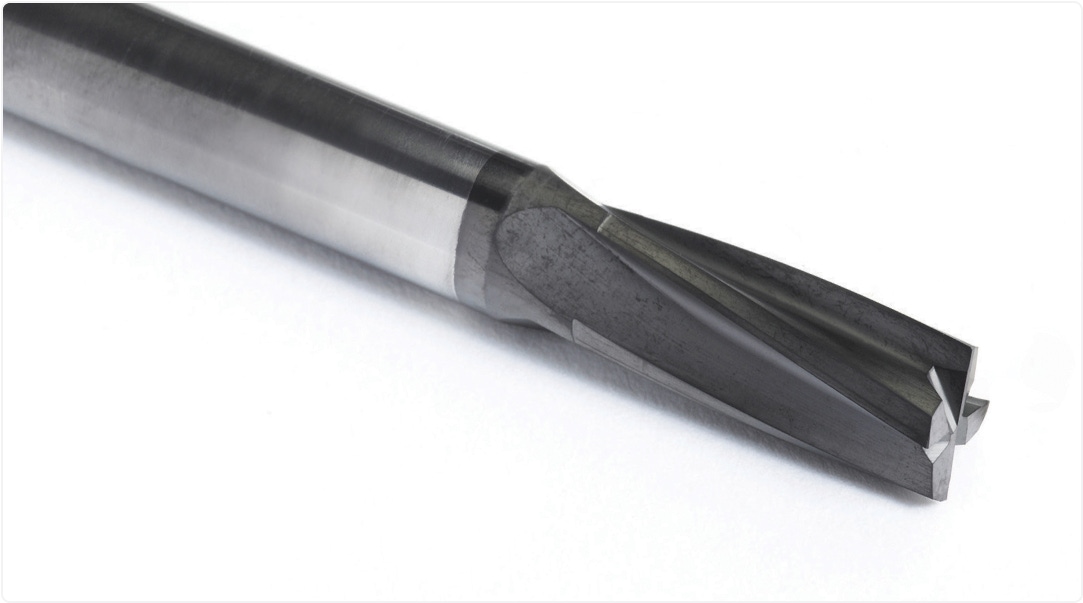
Diamond tooling offers several key advantages in the right applications.

Diamond coatings provide superior wear resistance compared to conventional coated milling cutters, allowing tools to maintain their geometry, flute length, and cutting diameter over extended use. This improves productivity and reduces tool replacement costs.
Diamond coated cutting tools support high performance machining with improved cutting speeds and reduced friction, making them ideal for demanding industrial applications.
Diamond coatings reduce friction between the cutting tool and workpiece, improving machining efficiency and surface finish.

Diamond coated tools produce cleaner cuts and superior surface quality, particularly in abrasive materials.
Even PCD tools and Poly-Crystalline Diamond tooling experience similar wear issues when machining steel. While PCD Diamond End Mills offer excellent performance in composites and aluminium, they are not recommended for machining steel or Cast Iron due to the same chemical wear mechanisms.
For steel machining applications, the recommended cutting tools include:
These tools provide superior performance and reliability in ferrous metal machining.
While diamond coated tools can technically cut steel, they are not recommended for machining ferrous metals such as steel and Cast Iron due to chemical reactions that rapidly degrade the Diamond Coating. Diamond tools, including diamond coated milling cutters, diamond blades, and diamond plated cutting tools, are best suited for abrasive, non-ferrous materials such as composites, aluminium, and graphite. For steel machining, Tungsten carbide tools remain the most effective solution.
Exactaform provides advanced Diamond tooling and precision cutting tools engineered for high performance machining across a wide range of industrial applications.
