

HAVS compliance is an area where many organisations believe they are doing “enough”, until an inspection, claim, or diagnosis proves otherwise. Hand-arm vibration risks are often estimated, recorded and interrupted across multiple tools, tasks and operators or managed as a paperwork exercise rather than a real occupational health issue. This creates a gap between what is documented and what is actually experienced by operators.
In order for organisations to move towards more reliable, evidence-based exposure management, first they need to understand where HAVS compliance most commonly breaks down and review if their current set-up delivers accordingly. Solutions like HAV Sentry are designed to close that gap by capturing real-world exposure data across tools, tasks, and individuals in a consistent and measurable way.
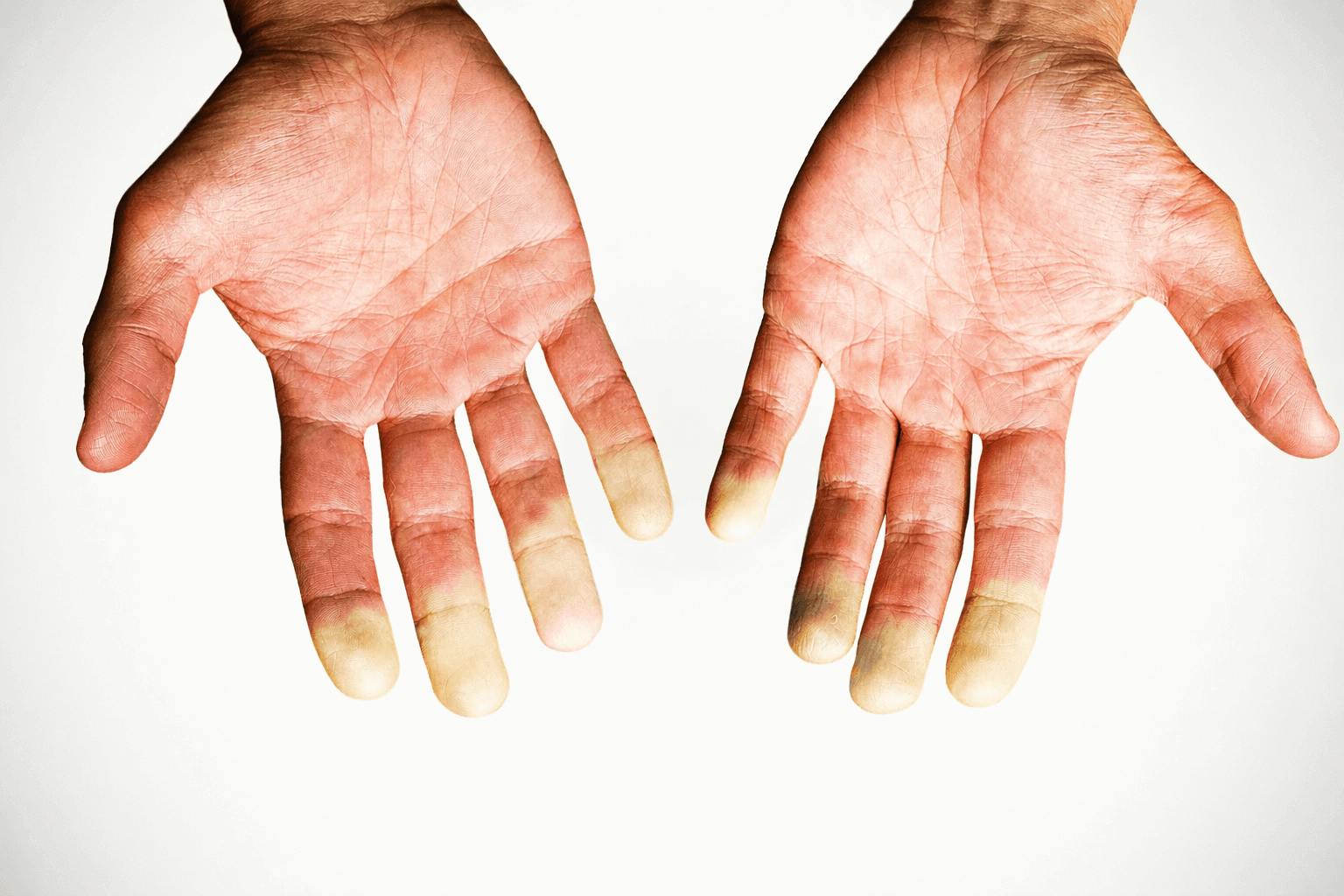
Hand-arm vibration exposure occurs through the use of powered tools such as breakers, grinders, drills, and saws. Over time, repeated vibration exposure can cause irreversible damage to blood vessels, nerves, and joints.
Conditions linked to poor HAVS management include:
These conditions are typically associated with prolonged exposure over time. This is why HAVS sits within both regulatory frameworks and occupational health monitoring requirements.
In the UK, HAVS is regulated under the Control of Vibration at Work Regulations, commonly referred to as the Vibration Regulations.
These regulations require employers to:
Companies can introduce a fixed document rather than a process.
In practice, vibration exposure can change with:
As these variables shift, static assessment can become misaligned with actual exposure conditions.
Many organisations rely on manual log-books where employees estimate trigger time.
This approach introduces several limitations
As a result, recorded exposure may not reflect actual tool usage or cumulative exposure across a shift.
Manufacturer-declared vibration emission values are commonly used as the basis for HAVS calculations. However, these figures are measured under controlled conditions.
In real-world applications, factors such as:
can significantly alter the vibration exposure level experienced during use.
In many operations, exposure is not generated by a single tool used consistently. Operators may switch between multiple tools throughout a shift, each with different characteristics.
This creates a cumulative exposure profile that is difficult to estimate accurately using manual methods, particularly where trigger time is fragmented or inconsistently recorded.
PPE, such as anti-vibration gloves are sometimes treated as a primary control measure, despite offering limited protection against HAVS.
While gloves may help with comfort or cold exposure, they:
They are typically used alongside, rather than in place of, exposure assessment and monitoring.
Another critical mistake is poor implementation of health surveillance.
Effective HAVS management requires:
Delays in identifying early symptoms affect how exposure is managed over time and how cases are documented.
Many businesses assume compliance without a Vibration Monitoring system.
Without recorded exposure data:
This limits the ability to compare exposure against Exposure Action Value (EAV) and Exposure Limit Value (ELV) thresholds with confidence.
HAVS compliance is often fragmented across departments - safety, operations, and occupational health working in silos.
Effective HAVS management requires:
Without coordination, risks are missed and responsibilities blurred.
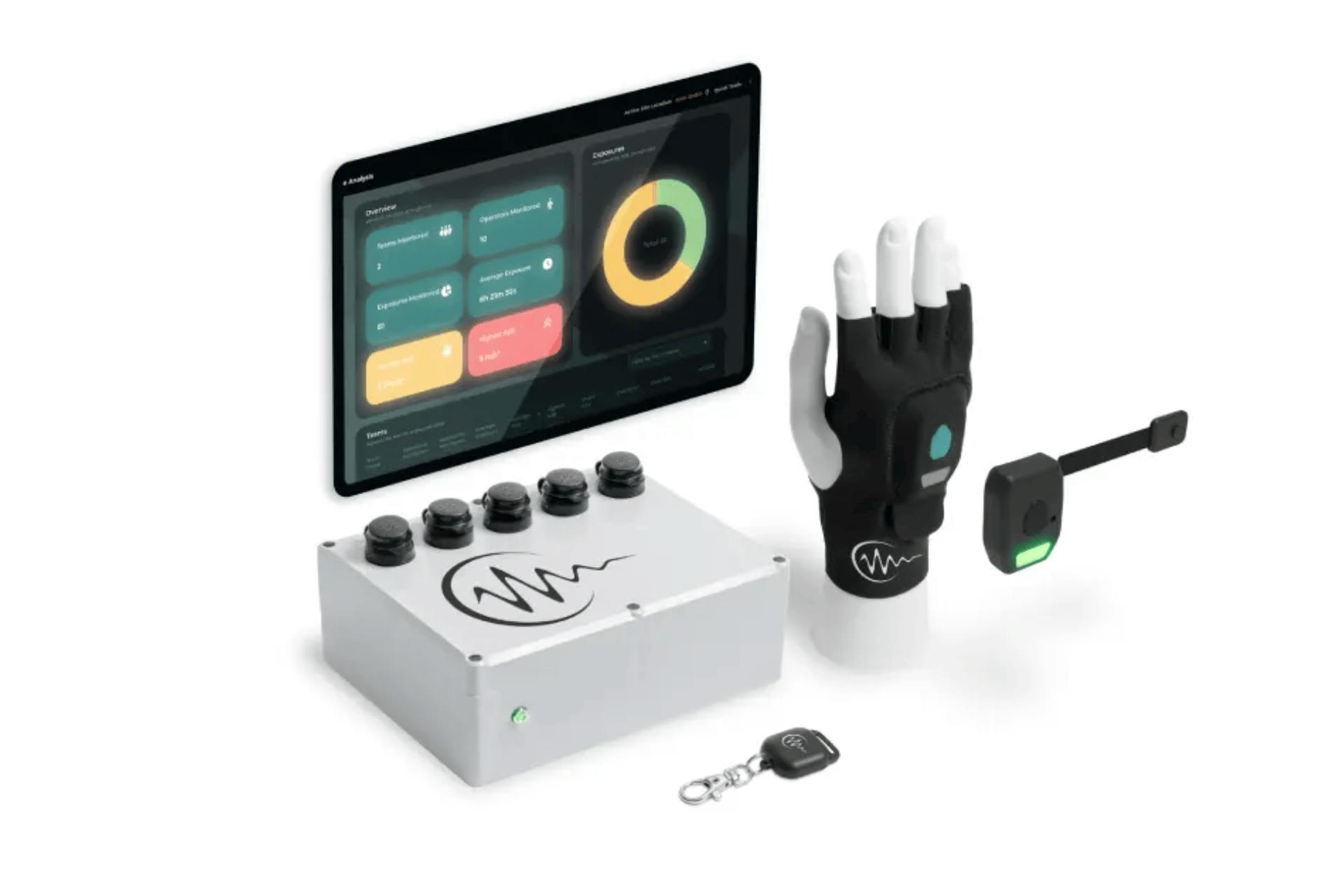
Exactaform supports organisations through the HAV-Sentry system. Hav-Sentry is designed to monitor vibrations exposure at the point of use, providing structured data on how tools affect the operators in real working conditions.
This enables organisations to:
HAVS compliance depends on how exposure is understood, recorded, and interpreted over time.
By recognising common mistakes and adopting better vibration monitoring and clearer control strategies, organisations can move from estimated exposure to a stable foundation for compliance, reporting, decision-making, and meaningful prevention.
