

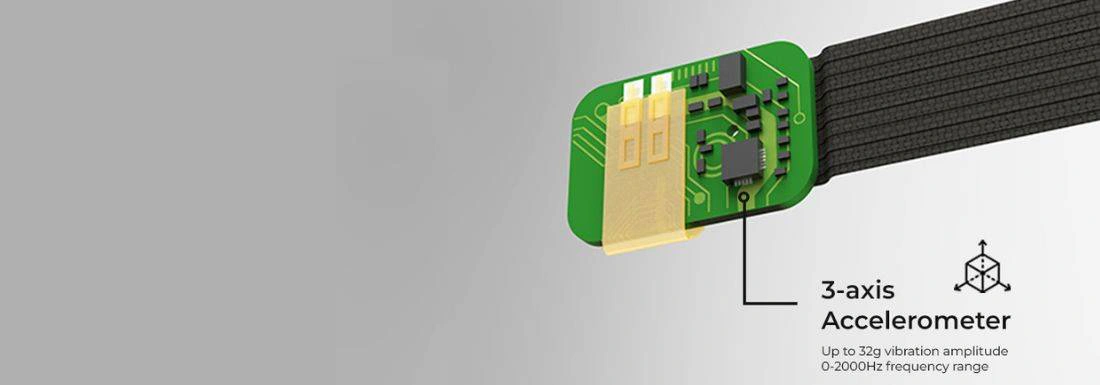
Vibration exposure monitoring has entered a new phase. What was once a largely manual, assumption-driven process is now becoming a data-led discipline shaped by sensor technology, real-time systems, and evolving regulatory expectations, such as those supported by HAV exposure monitoring systems like HAV Sentry.
For organisations responsible for worker safety, this shift is more than a technical upgrade. It represents a fundamental change in how hand-arm vibration exposure is understood, managed, and controlled.
This article explores how technology is reshaping vibration measurement, why traditional methods are no longer sufficient, and what this means for future-proof HAV risk management.
The Challenge of Measuring Hand–Arm Vibration
Hand-arm vibration is produced when powered tools transmit energy into a worker’s hands and arms. Over time, repeated exposure can lead to Hand-Arm Vibration Syndrome, including vibration white finger, nerve damage, and long-term loss of function.
Unlike obvious safety hazards, vibration risk is:
- Invisible
- Cumulative
- Highly dependent on task, tool condition, and technique
This makes accurate measurement essential but historically difficult.
Traditional HAV Measurement: Accurate in Theory, Limited in Practice
Historically, hand-arm vibration exposure was assessed using manufacturer-declared tool vibration magnitudes, estimated trigger times, and manual calculations within risk assessments. While these methods were designed to comply with the Control of Vibration at Work Regulations, they rely heavily on assumptions rather than real-world data.
In real industrial environments, those assumptions rarely hold true. Tool wear can significantly alter vibration magnitude over time, measurement positions often vary between tasks, and operator technique can influence where and how exposure is experienced. In addition, workers commonly use multiple tools within a single shift, further complicating accurate exposure assessment.
As a result, traditional HAV measurement approaches frequently produce incomplete or misleading results, limiting their effectiveness in managing risk and protecting worker health.
The Role of Standards: ISO 8041 and Regulatory Expectations
Modern vibration measurement is increasingly aligned with recognised standards such as ISO 8041, which defines requirements for instruments measuring human vibration.
At the same time, guidance from the Health and Safety Executive reinforces that employers must:
- Use suitable vibration measurement systems
- Compare exposure against defined vibration thresholds
- Prevent exposure exceeding exposure limit values
Technology is now making it far easier to meet both regulatory standards and practical safety expectations.
From Estimates to Evidence: Modern Vibration Measurement Systems
Today’s vibration measurement systems use advanced sensors to capture real-world vibration data directly from the worker-tool interface.
Key developments include:
- Wearable sensors positioned at the point of exposure
- Continuous capture of vibration magnitude data
- Automatic calculation of exposure levels
- Time-based aggregation across multiple tools
Unlike static calculations, these systems measure vibration as it actually occurs.
Real-Time Monitoring and Exposure Awareness
One of the most significant advances is the move from retrospective analysis to live monitoring.
Modern systems can include a Vibration Monitoring Terminal that:
- Displays cumulative exposure
- Tracks exposure points across tasks
- Highlights proximity to vibration thresholds
- Identifies potential vibration violations as they develop
This allows corrective action during work, not after harm may already have occurred.
Differentiating Hand–Arm and Whole Body Vibration
Technology has also improved how organisations distinguish between hand–arm vibration exposure and whole body vibration. These two forms of vibration affect the body in different ways and are governed by distinct control measures and regulatory considerations.
Modern, accurate monitoring systems are able to capture vibration at the correct measurement position, apply the appropriate weighting and analysis, and prevent data overlap or misclassification between exposure types. This level of precision improves both regulatory compliance and the quality of occupational health decision-making.
Better Data, Better Risk Assessments
With accurate, continuous data, risk assessments are no longer static documents.
Instead, technology enables:
- Evidence-based exposure profiling
- Identification of high-risk tools and tasks
- Validation of control measures
- Ongoing improvement of worker safety strategies
Risk management becomes dynamic rather than reactive.
Reducing Vibration Violations Through Insight
Vibration violations, where exposure exceeds action or limit values, often occur unintentionally due to a lack of visibility around actual exposure levels. Without clear, real-time insight, organisations may not realise thresholds are being approached or exceeded until after the fact.
Modern monitoring technology helps prevent this by making exposure data visible to supervisors and safety teams, supporting earlier intervention, and reducing reliance on assumptions or manual logging. This is particularly important in complex industrial operations, where vibration exposure can accumulate across multiple tools, shifts, and sites.
Exactaform’s Perspective: Technology as an Enabler, Not a Replacement
This is where Exactaform positions technology as an enabler of better decision-making.
Exactaform’s HAV Sentry approach reflects a broader shift in vibration exposure monitoring:
- From estimates to measured data
- From compliance-only thinking to prevention
- From delayed reporting to timely insight
Technology does not replace professional judgement or occupational health expertise, it strengthens it.
The Future of HAV Exposure Measurement
As vibration monitoring technology continues to evolve, greater integration with occupational health systems is expected, alongside improved trend analysis and benchmarking capabilities. Measurement approaches are also becoming more closely aligned with regulatory standards, enabling organisations to move from reactive reporting toward more proactive protection against long-term injury.
What remains constant is the underlying goal: protecting workers from avoidable harm while meeting both legal and ethical responsibilities. Technology is not only changing how vibration is measured, but also how vibration risk is understood, interpreted, and acted upon.
By embracing modern vibration exposure monitoring, organisations can move beyond minimum compliance and adopt a more intelligent, preventative approach to managing Hand–Arm Vibration Syndrome, one built on evidence, visibility, and long-term worker safety.