
 By Maria Simeonova
Hand–arm vibration monitoring industries extend well beyond construction. Any sector that relies on vibrating tools or powered equipment exposes workers to vibration risks that can result in serious, long-term health conditions if not properly controlled.
This article explores which industries benefit most from hand–arm vibration monitoring, why the risks vary by sector, and how accurate vibration measurement, supported by modern monitoring solutions such as HAV Sentry, helps organisations strengthen regulatory compliance, protect worker safety, and manage occupational health more effectively.
Hand-Arm Vibration Syndrome develops as a result of repeated vibration exposure over time. Early symptoms may include tingling, numbness, or blanching of the fingers, progressing in some cases to Vibration White Finger and permanent nerve or circulatory damage.
Under the Control of Vibration at Work Regulations 2005, employers are required to:
Guidance from the Health and Safety Executive makes it clear that vibration risks vary significantly depending on industry, tool type, and work pattern. This makes sector-specific monitoring essential rather than optional.
Construction remains one of the highest-risk industries for hand–arm vibration exposure. Workers frequently use high-output vibrating tools such as breakers, grinders, drills, and compactors.
In this environment:
Hand arm vibration monitoring allows construction employers to manage cumulative exposure, control vibration doses, demonstrate regulatory compliance, and support ongoing health surveillance.
Utilities and highways teams often operate vibrating tools in short, intense bursts across multiple locations. While individual tasks may appear low risk, cumulative exposure can quickly exceed exposure action values.
Monitoring in this sector supports:
In manufacturing and wider industrial operations, vibration exposure is often repetitive and task-specific. Workers may use grinders, sanders, precision cutting tools, and assembly-line power tools daily.
Because exposure is consistent, vibration thresholds can be exceeded without obvious warning signs. Accurate vibration measurement using a structured measurement system helps employers:
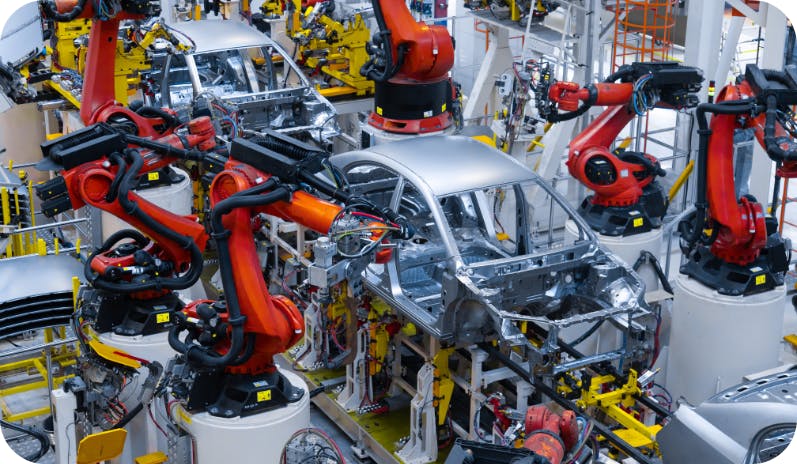
In specialist sectors such as aerospace and automotive manufacturing, workers frequently use composite trimming tools and precision cutting tools.
Although vibration emission levels may be lower than in heavy construction, exposure duration is often long and repetitive. Hand–arm vibration testing using human-vibration meters ensures:
Rail and transport maintenance teams use vibrating tools for infrastructure repairs, rolling stock maintenance, and upgrades.
Monitoring is particularly valuable in environments where:
Effective monitoring supports compliance with the vibration regulations while protecting long-term worker health.
Facilities management teams are often overlooked in vibration risk planning, yet they regularly use drills, grinders, and other vibrating tools during routine maintenance.
Hand arm vibration monitoring helps:
Across all sectors, hand–arm vibration monitoring enables employers to:
It also supports better decisions around:
This is where Exactaform supports organisations across multiple industries.
HAV Sentry is designed to adapt to different tools, work patterns, and operational environments. By providing accurate vibration measurement and monitoring, HAV Sentry helps organisations meet regulatory standards, protect workers from long-term harm, and apply control strategies with confidence.
Hand arm vibration monitoring is not limited to one industry. Wherever vibrating tools are used, there is a responsibility to assess risk, control exposure, and protect worker health. By understanding sector-specific vibration risks and adopting appropriate monitoring systems, organisations across construction, manufacturing, utilities, transport, and advanced engineering can improve compliance, strengthen safety culture, and prevent avoidable injury.

Our engineers and experts produce blogs, guides and case studies that help answer the biggest tooling questions.


