
 By Maria Simeonova
HAVS exposure monitoring is no longer a “nice to have” for employers. It has become a legal, moral, and operational necessity. For those responsible for compliance, safety, and workforce wellbeing, accurately understanding hand–arm vibration exposure is essential to preventing injury and meeting regulatory duties. Despite this, many organisations still rely on assumptions, estimates, or manual records that fail to reflect real working conditions. The result is often hidden overexposure, increased liability, and a greater risk of long-term harm to workers.
As awareness of Hand–Arm Vibration Syndrome continues to grow, employers are increasingly shifting toward evidence-based HAV risk management. Traditional approaches struggle to keep pace with modern work environments, where exposure varies by tool, task, and operator. In contrast, technology-led solutions such as HAV Sentry allow organisations to monitor vibration exposure accurately as work happens, supporting effective HAVS prevention and more defensible compliance. This move away from guesswork toward measurable exposure is changing how businesses protect their people and how confidently they meet their regulatory responsibilities.
Hand-arm vibration exposure occurs when vibration from powered tools is transmitted into an employee’s hands and arms during work activities. Over time, vibration doses accumulate, increasing the risk of serious and often permanent health effects.
These include:
Once established, these conditions are frequently irreversible. This is why HAVS prevention depends on early, accurate monitoring, not retrospective investigation.
In the UK, vibration exposure is governed by the Control of Vibration at Work Regulations 2005, often referred to as the Vibration Regulations.
Under these regulations, employers must:
The Health and Safety Executive makes clear that failure to manage employee exposure can result in enforcement action, prosecution, and civil claims.
Many organisations still rely on outdated approaches, such as:
While these methods may appear compliant, they often fail to reflect real-world conditions. Tool wear, operator technique, and task variation all influence actual vibration exposure level. The result? Inaccurate measurement results and a false sense of control.
Accurate HAVS exposure monitoring focuses on what actually happens on site, not what is assumed to happen.
A robust monitoring system should:
This transforms HAV risk management from paperwork into an evidence-based process.
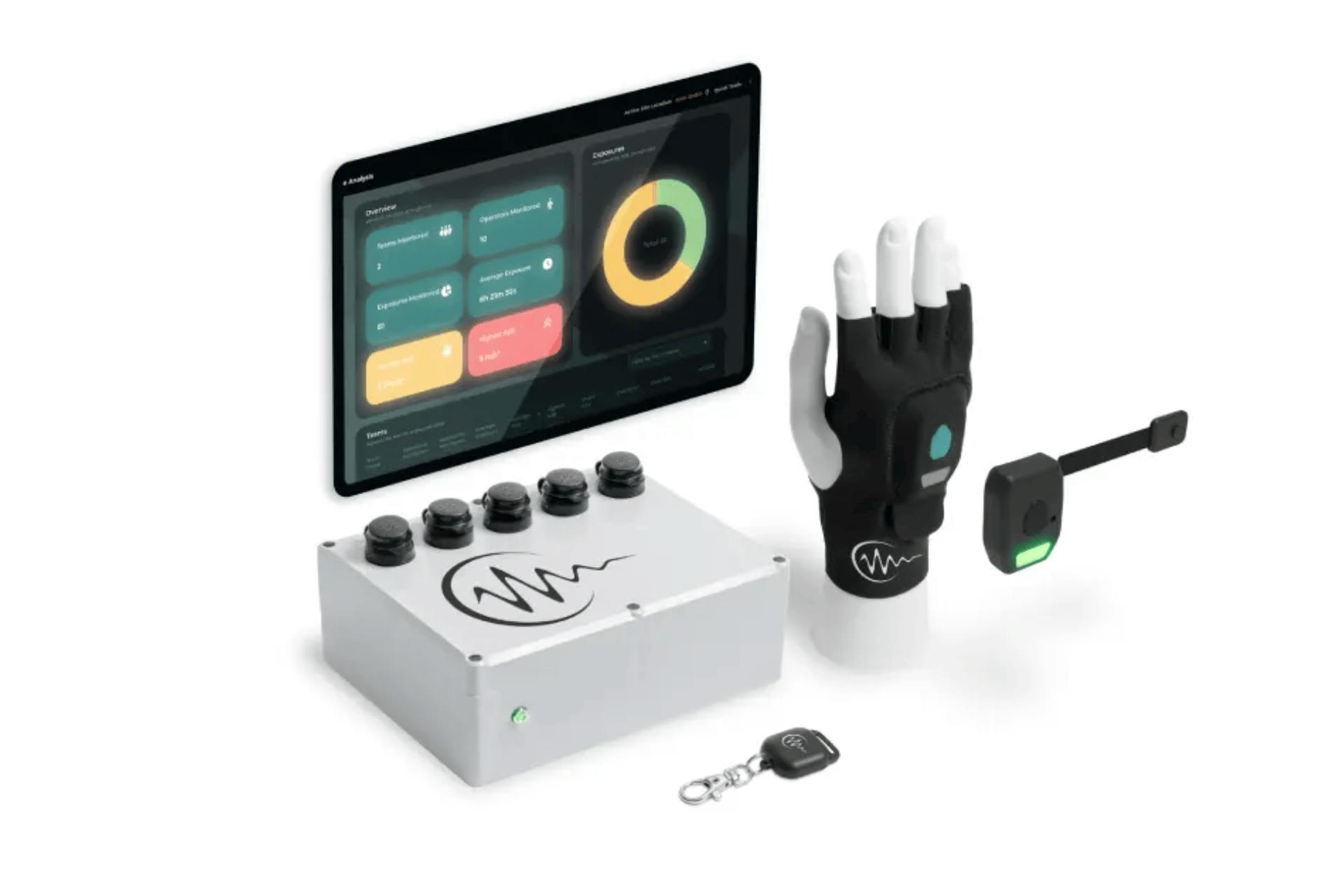
Advances in sensor technology have made accurate monitoring practical and scalable.
Modern solutions may include:
These tools capture actual vibration data across different tools and work activities, producing defensible measurement results suitable for audits and inspections.
This is where Exactaform supports employers through its HAV Sentry solution.
Exactaform’s approach to HAVS exposure monitoring is designed to bridge compliance and prevention. Rather than relying on estimates, HAV Sentry provides objective exposure data that supports:
By aligning technology with regulatory expectations, employers gain confidence that their controls are effective.
Accurate monitoring allows employers to:
This proactive control is essential for preventing cumulative overexposure, one of the main causes of long-term injury.
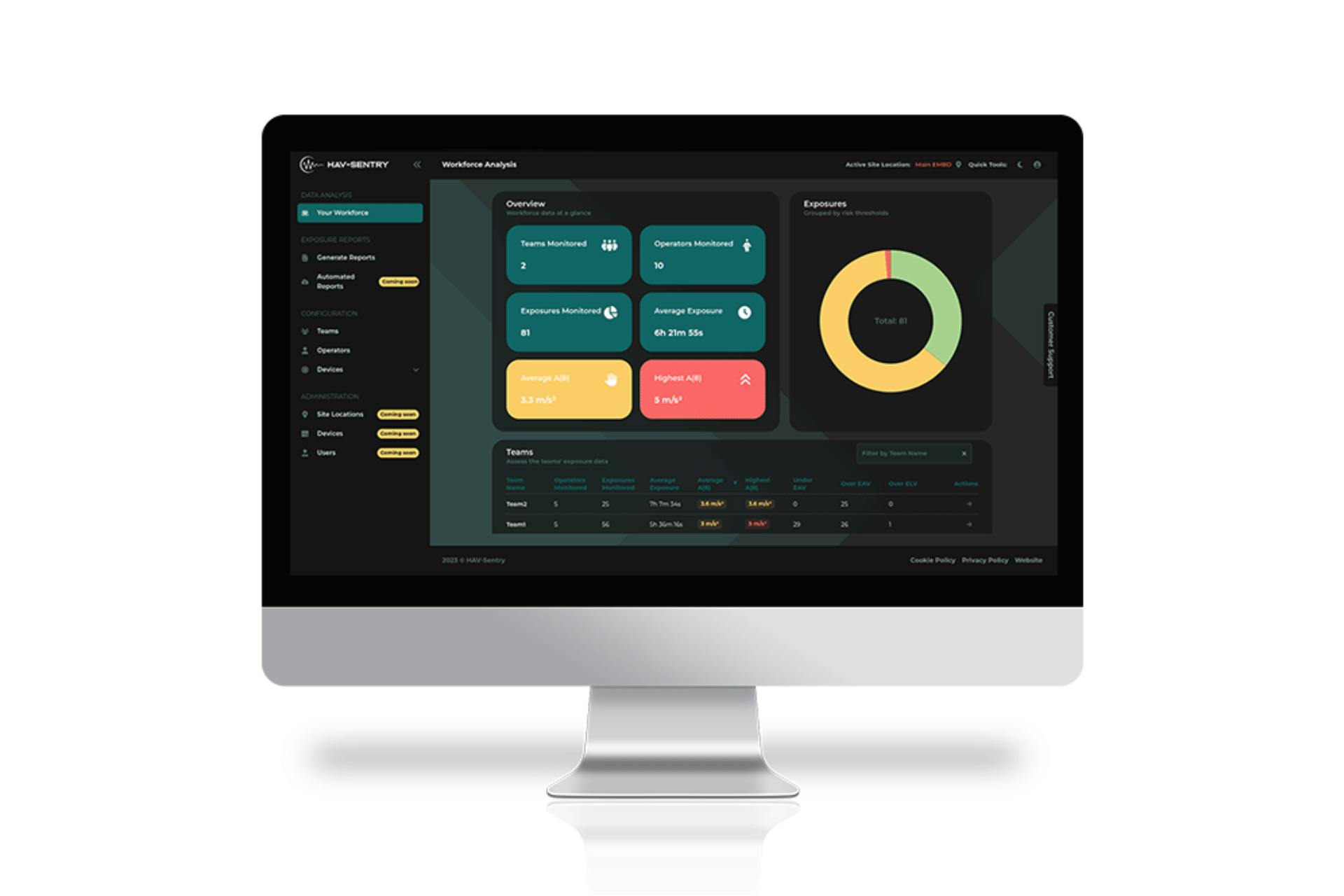
Reliable exposure data strengthens occupational health processes, including:
Instead of blanket assessments, employers can focus attention where it is genuinely needed.
To suit different operational environments, vibration monitoring equipment is often supplied in practical formats such as:
These configurations help ensure consistent monitoring across projects and locations.
HAVS exposure monitoring is about more than compliance, it is about preventing harm before it occurs.
By using accurate measurement, modern monitoring systems, and robust sensor technology, employers can:
For employers, accurate HAVS exposure monitoring is the foundation of responsible risk management. It enables informed decisions, effective controls, and meaningful HAVS prevention.
By moving beyond estimates and embracing evidence-based monitoring, supported by solutions such as HAV Sentry, organisations can protect their people while meeting their legal obligations with confidence.
Our engineers and experts produce blogs, guides and case studies that help answer the biggest tooling questions.


