
 By Maria Simeonova
HAVS compliance is an area where many organisations believe they are doing “enough” until an inspection, claim, or diagnosis proves otherwise. Hand–arm vibration risks are often underestimated, poorly monitored, or managed as a paperwork exercise rather than a real occupational health issue.
This article explores the most common mistakes businesses make when managing Hand-Arm Vibration Syndrome (HAVS) compliance, why these failures matter, and how organisations can take more effective, defensible control actions.
Hand-arm vibration exposure occurs when workers use vibrating tools such as breakers, grinders, drills, and saws. Over time, repeated vibration exposure can cause irreversible damage to blood vessels, nerves, and joints.
Conditions linked to poor HAVS management include:
These are not short-term injuries. In many cases, the health effects are permanent which is why compliance with HAVS regulations is both a legal and moral responsibility.

In the UK, HAVS is regulated under the Control of Vibration at Work Regulations, commonly referred to as the Vibration Regulations.
These regulations require employers to:
The Health and Safety Executive is clear through its HSE guidance that failure to manage vibration risks can result in enforcement action, prosecution, and civil claims.
A frequent mistake is viewing risk assessment as a document created once and filed away.
In reality, vibration exposure changes with:
Static assessments quickly become inaccurate, undermining regulatory compliance.
Many organisations still use manual vibration log-books where employees estimate trigger time.
Common issues include:
These logs provide weak evidence and are rarely robust enough during inspections or claims.
Manufacturer-declared vibration emission values are often used as the basis for HAVS calculations. However, these figures are measured under controlled conditions and rarely reflect real-world use.
Factors such as:
can significantly alter the actual Vibration Exposure Level experienced by the worker.
Anti-vibration gloves are often treated as a primary control, despite offering limited protection against HAVS.
While gloves may help with comfort or cold exposure, they:
Over-reliance on PPE is a common compliance failure.
Another critical mistake is poor implementation of health surveillance.
Effective HAVS management requires:
Delays in identifying early symptoms increase the risk of long-term injury and regulatory non-compliance.
Many businesses assume compliance without using a Vibration Meter or proper Vibration Monitoring system.
Without measurement:
Modern monitoring systems provide accurate data that manual methods cannot.
HAVS compliance is often fragmented across departments; safety, operations, and occupational health working in silos.
Effective HAVS management requires:
Without coordination, risks are missed and responsibilities blurred.
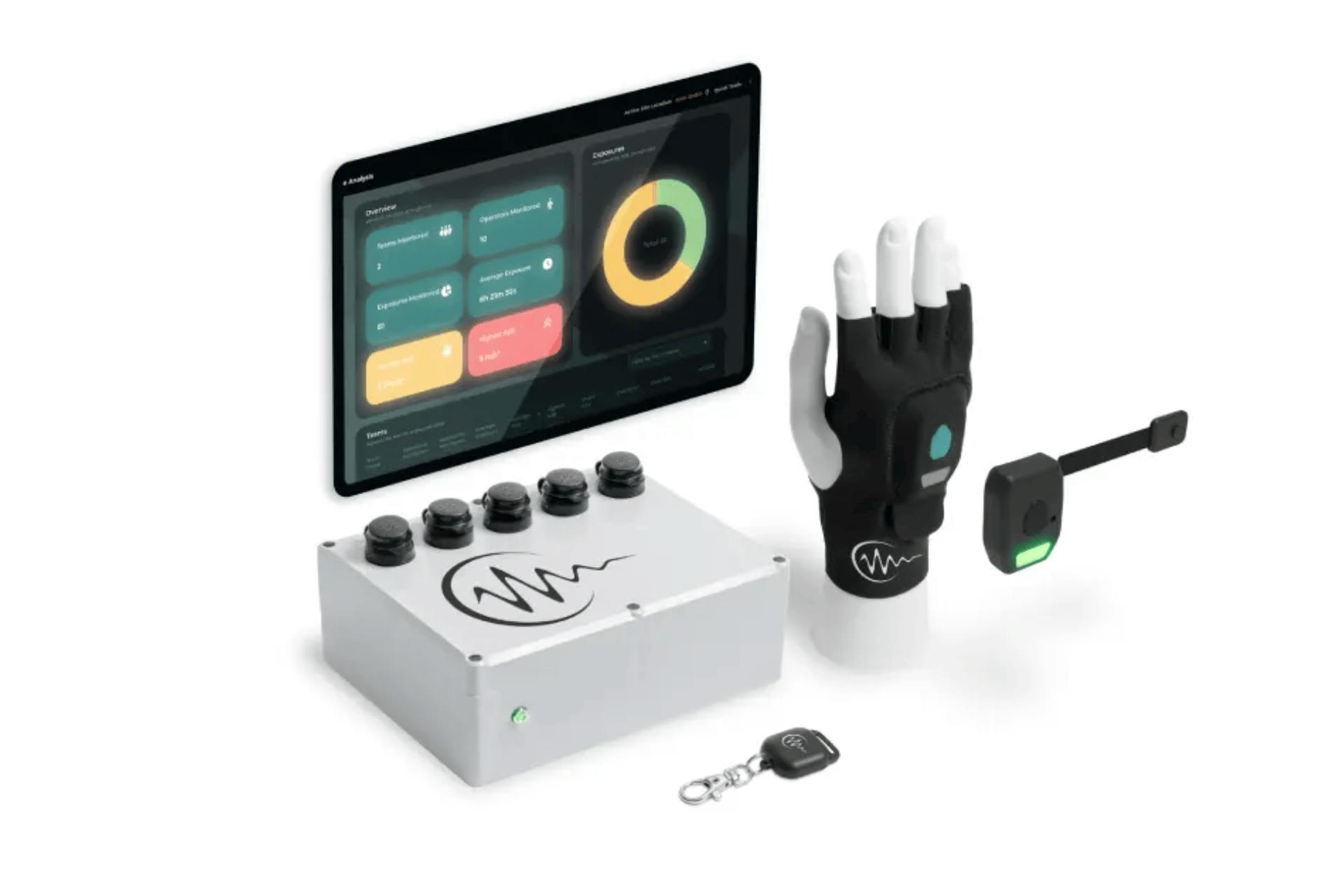
This is where Exactaform supports organisations through its HAV Sentry solution.
Exactaform’s approach to HAVS compliance focuses on replacing assumptions with evidence. By using specialised equipment such as vibration sensors and monitoring systems, businesses can:
Technology does not replace good management, it enables it.
HAVS compliance is not just about meeting safety regulations. It is about protecting long-term workplace health and avoiding preventable injury.
Businesses that address vibration risks effectively benefit from:
Most HAVS compliance failures are not deliberate, they stem from outdated methods, assumptions, or incomplete systems. By recognising common mistakes and adopting better vibration monitoring, clearer control strategies, and stronger occupational health support, organisations can move from minimal compliance to meaningful prevention.
For businesses serious about regulatory compliance and employee wellbeing, HAVS management must be treated as a live, data-driven process, not just a document on file.
Our engineers and experts produce blogs, guides and case studies that help answer the biggest tooling questions.


